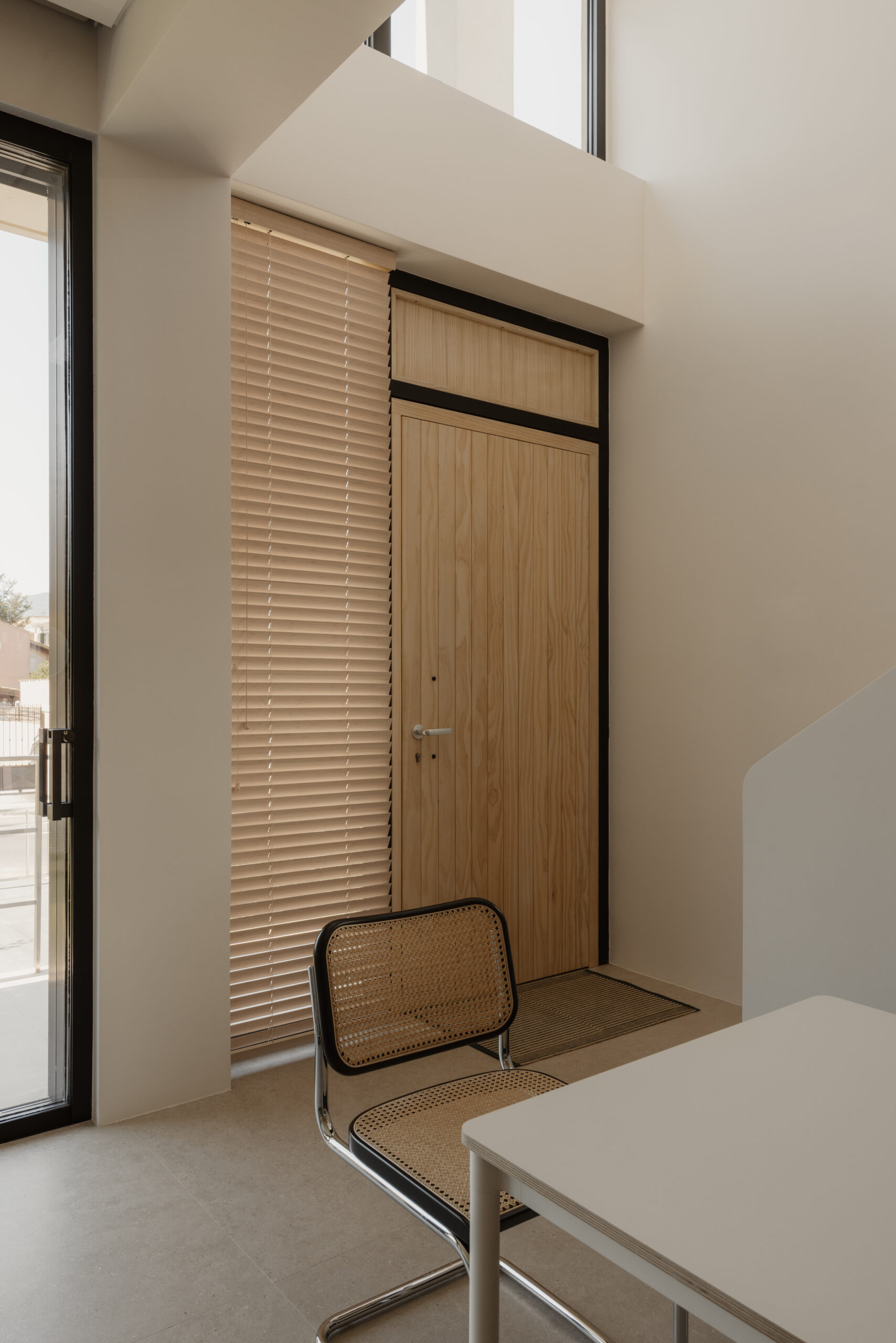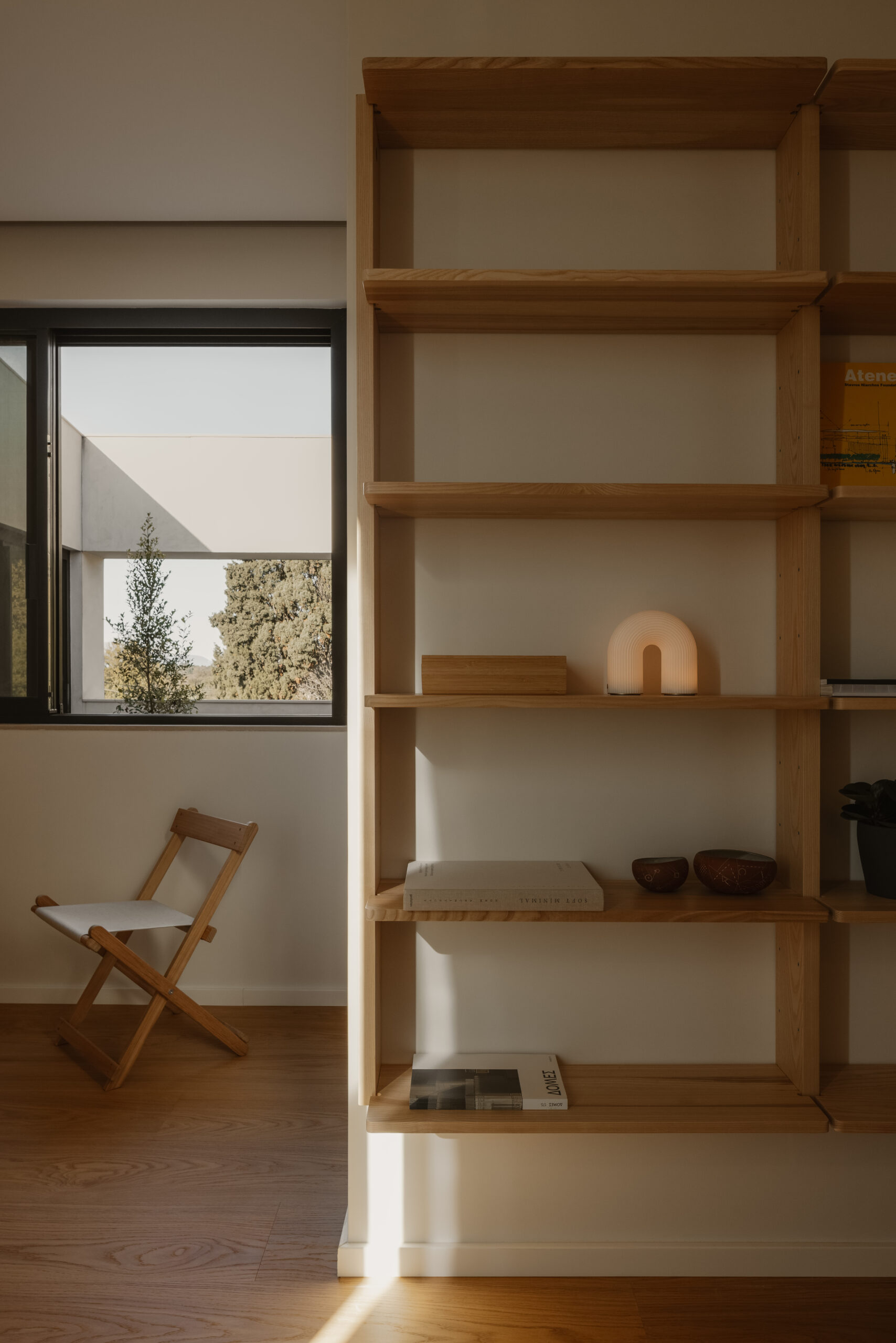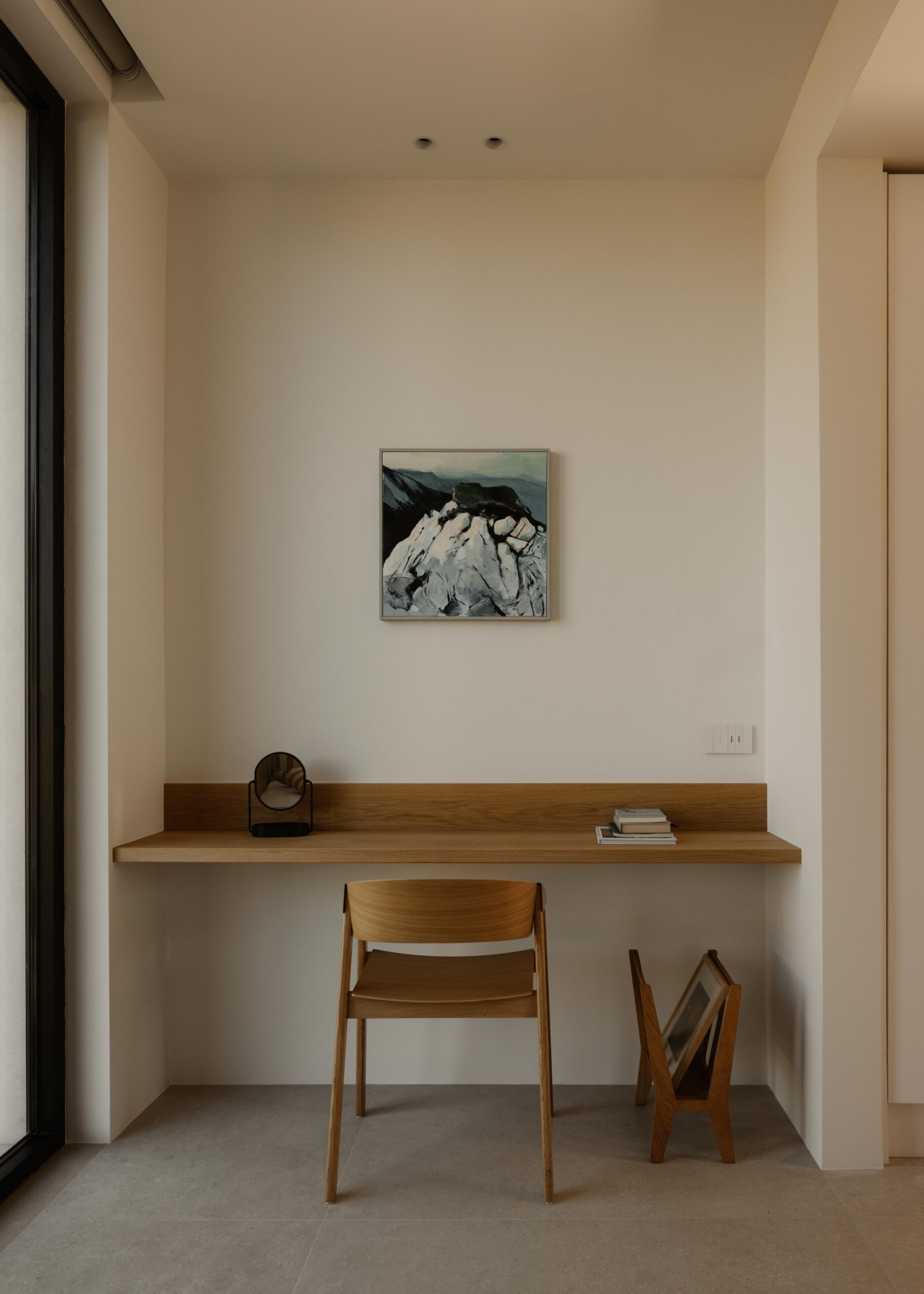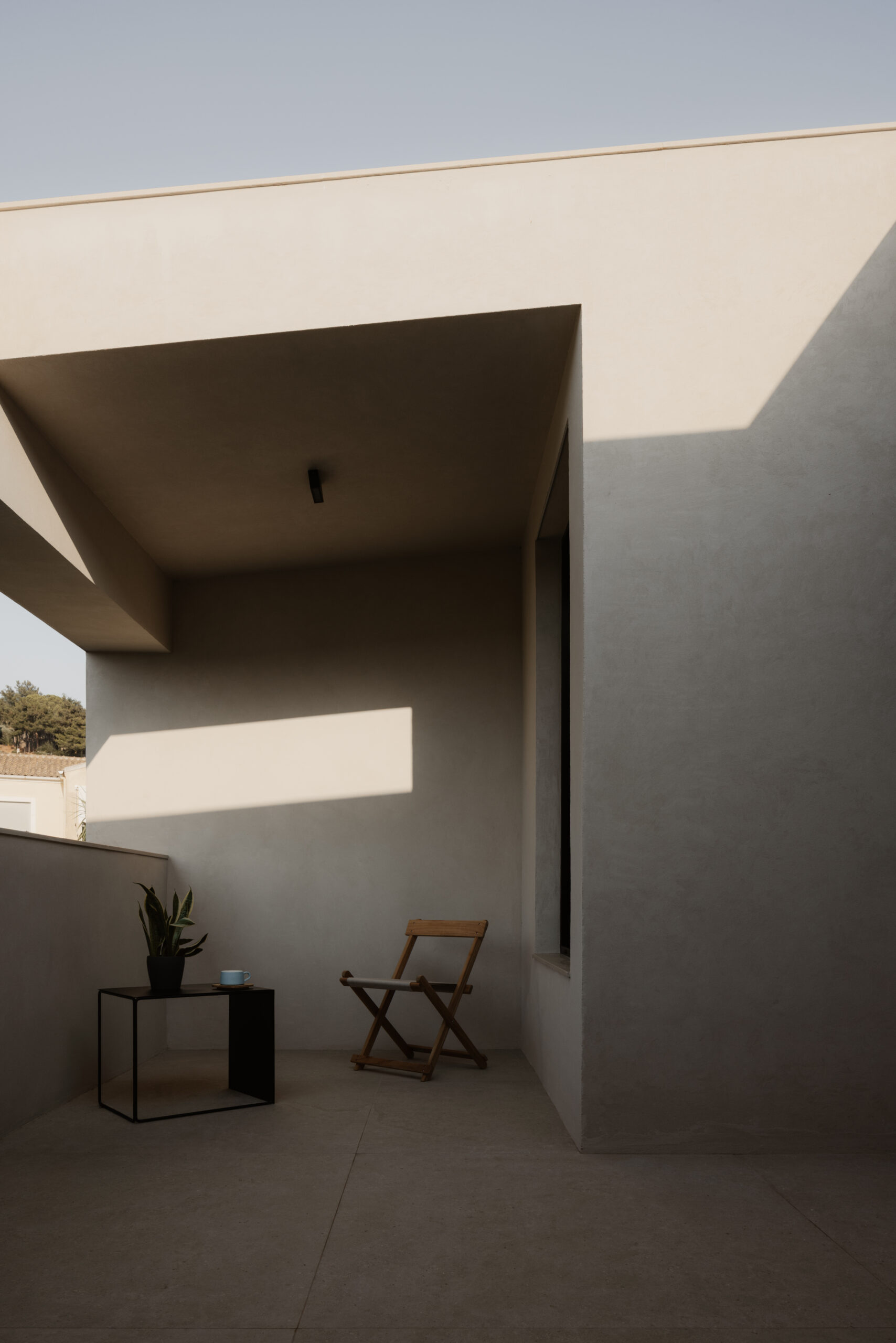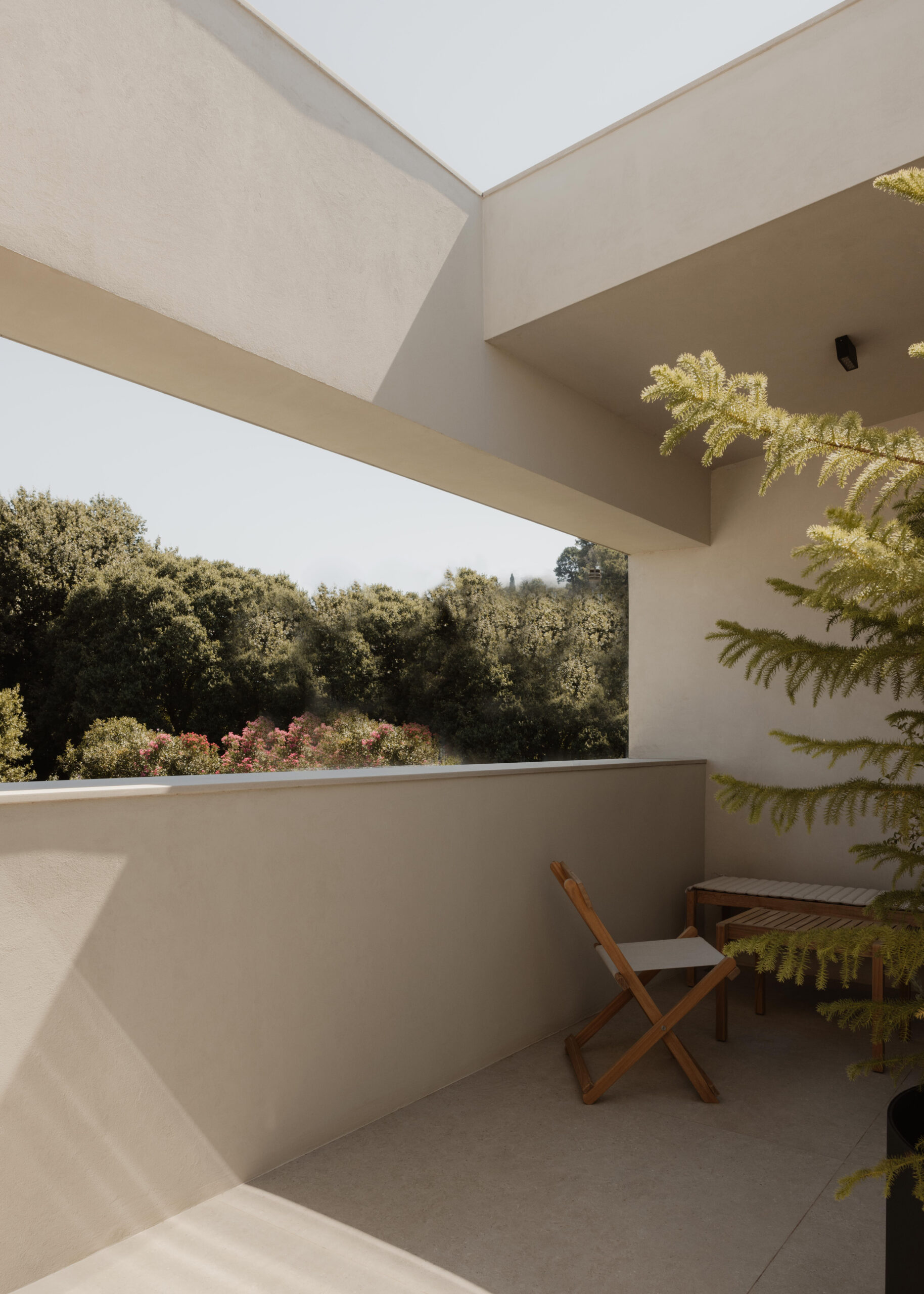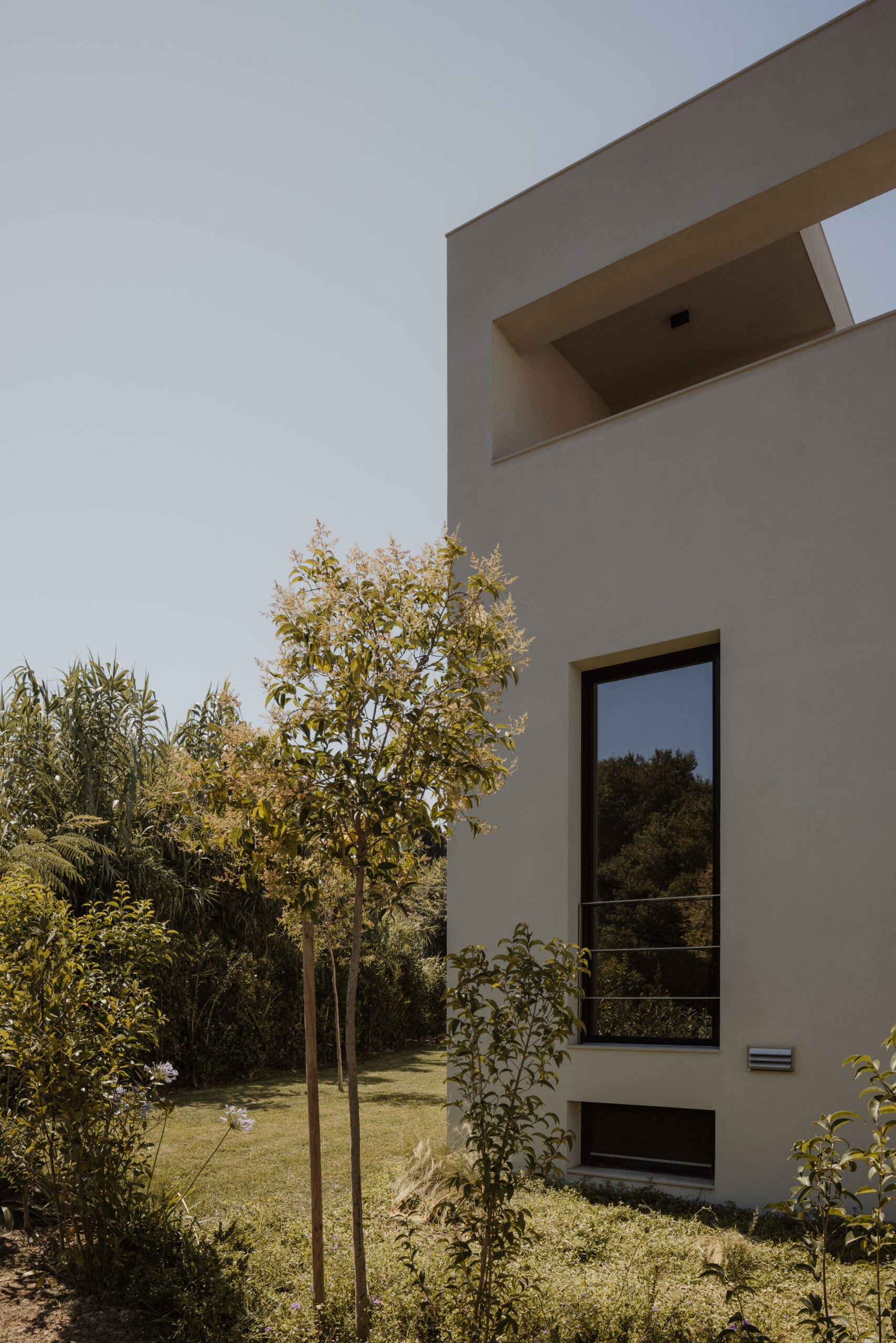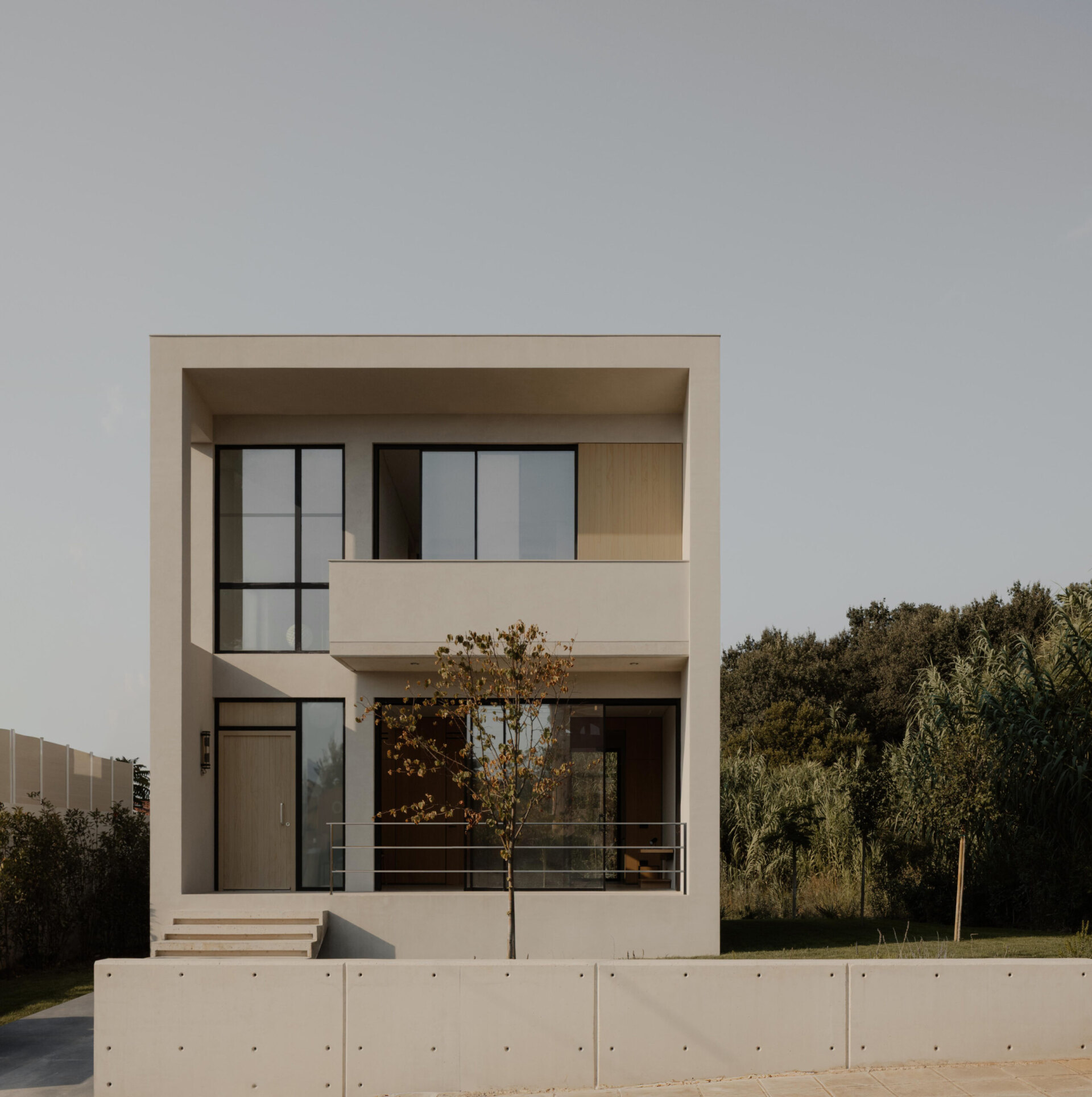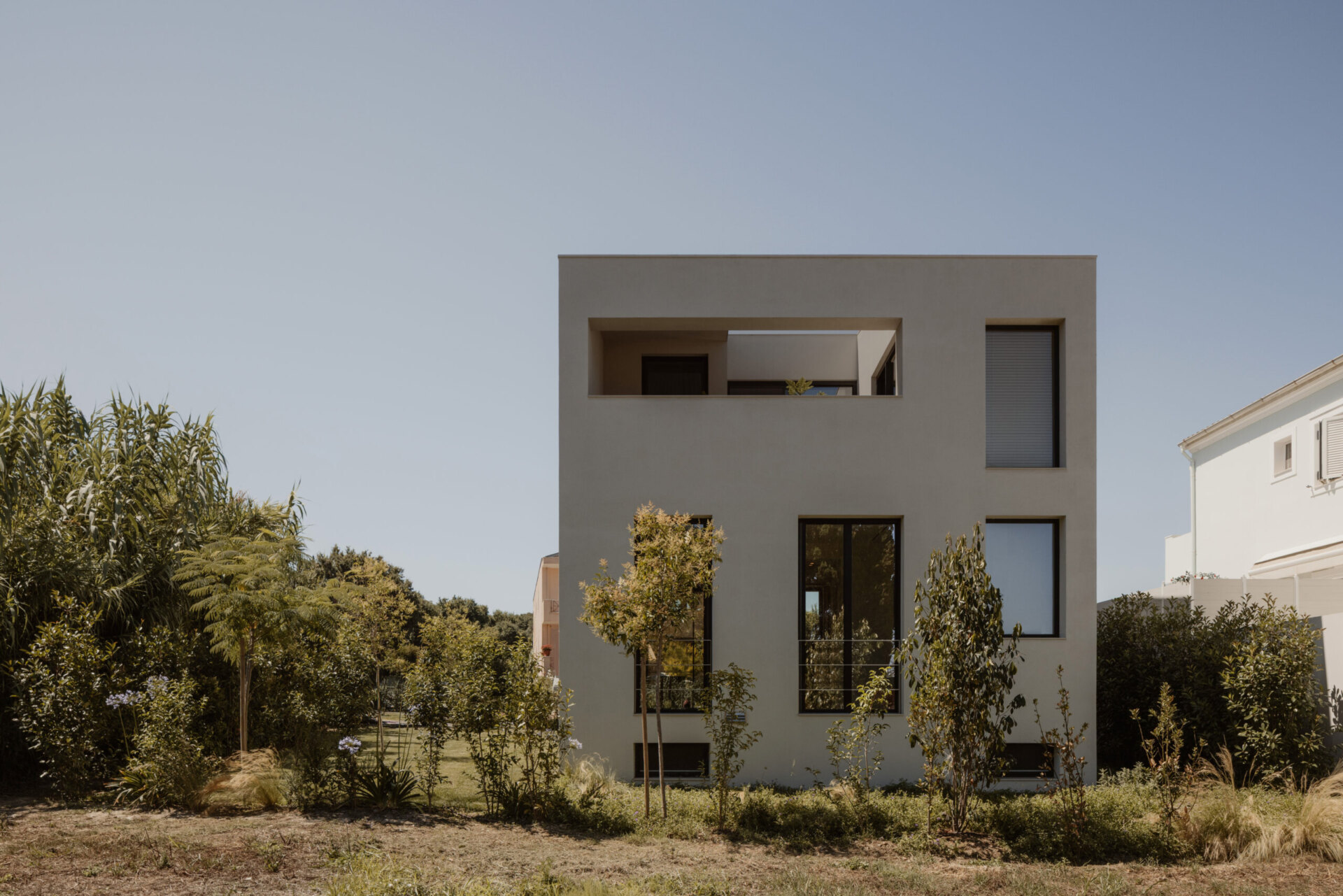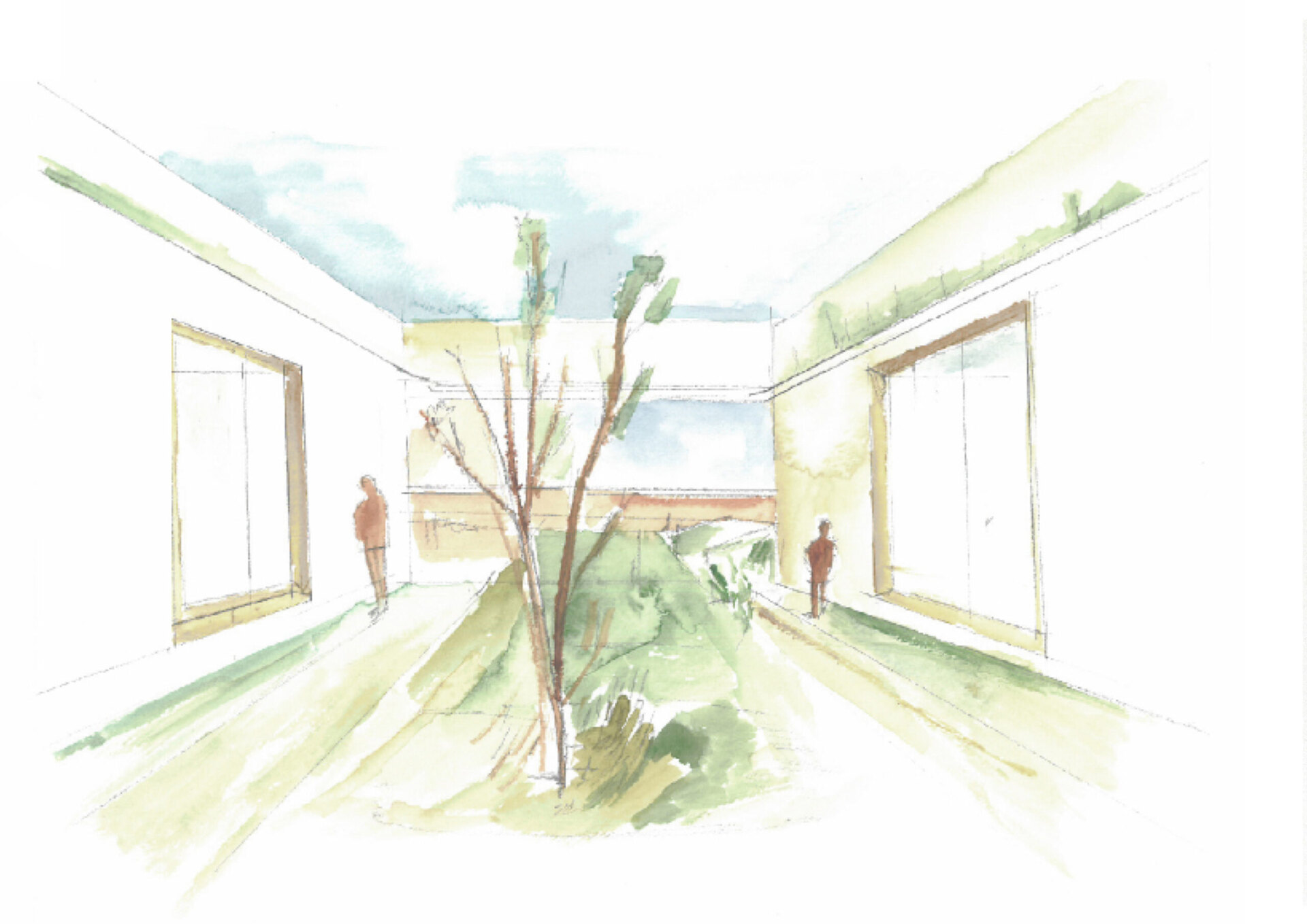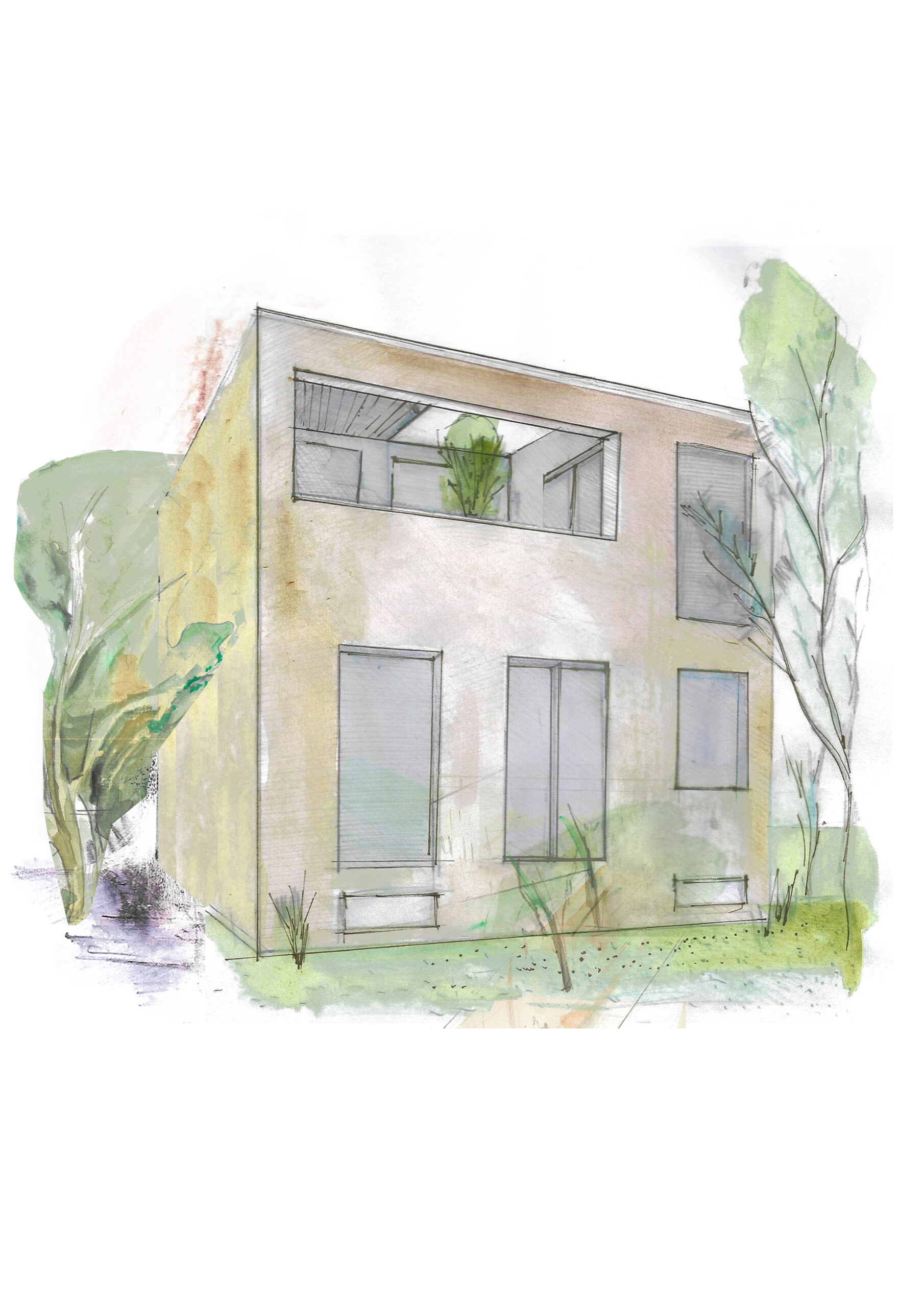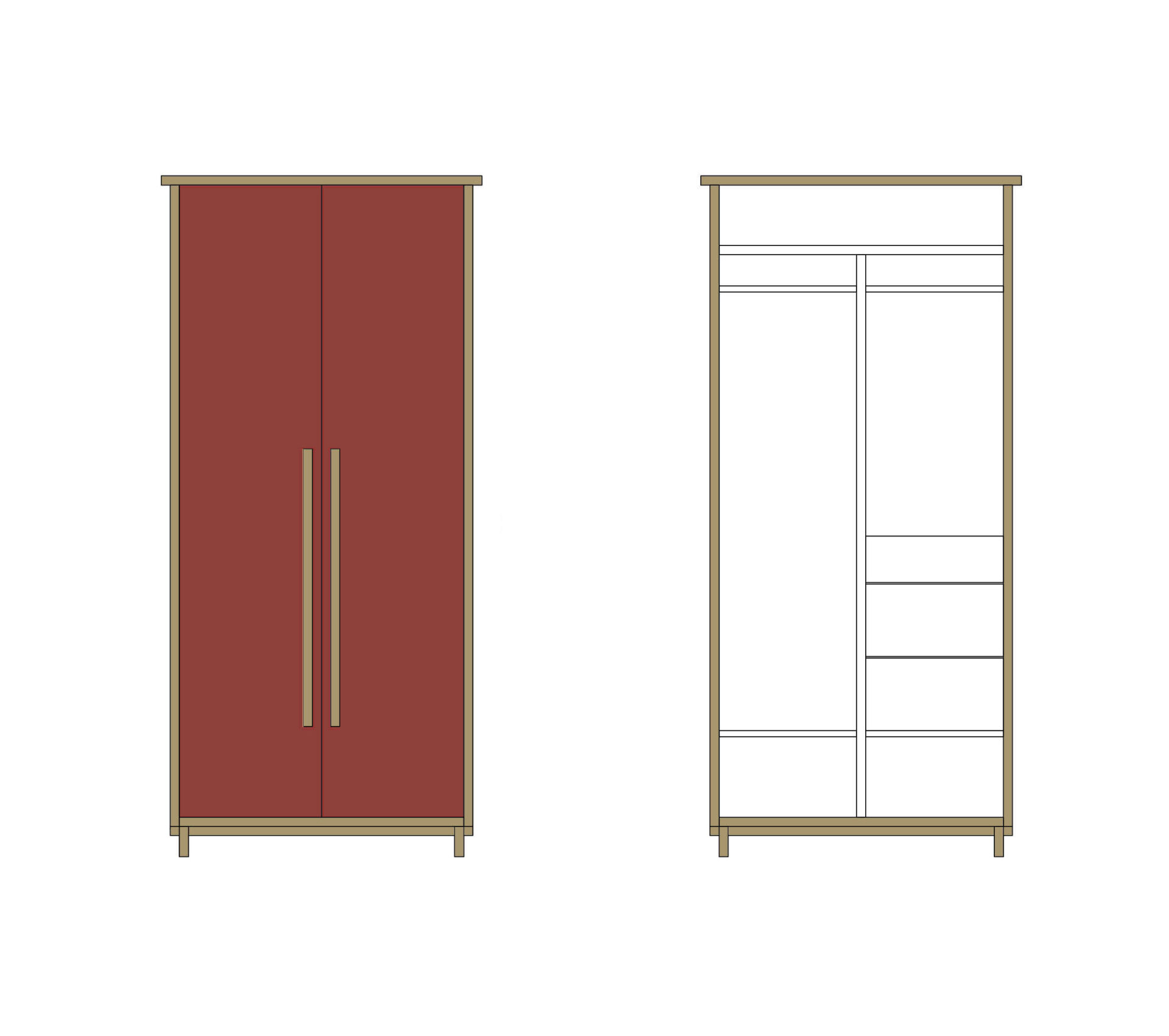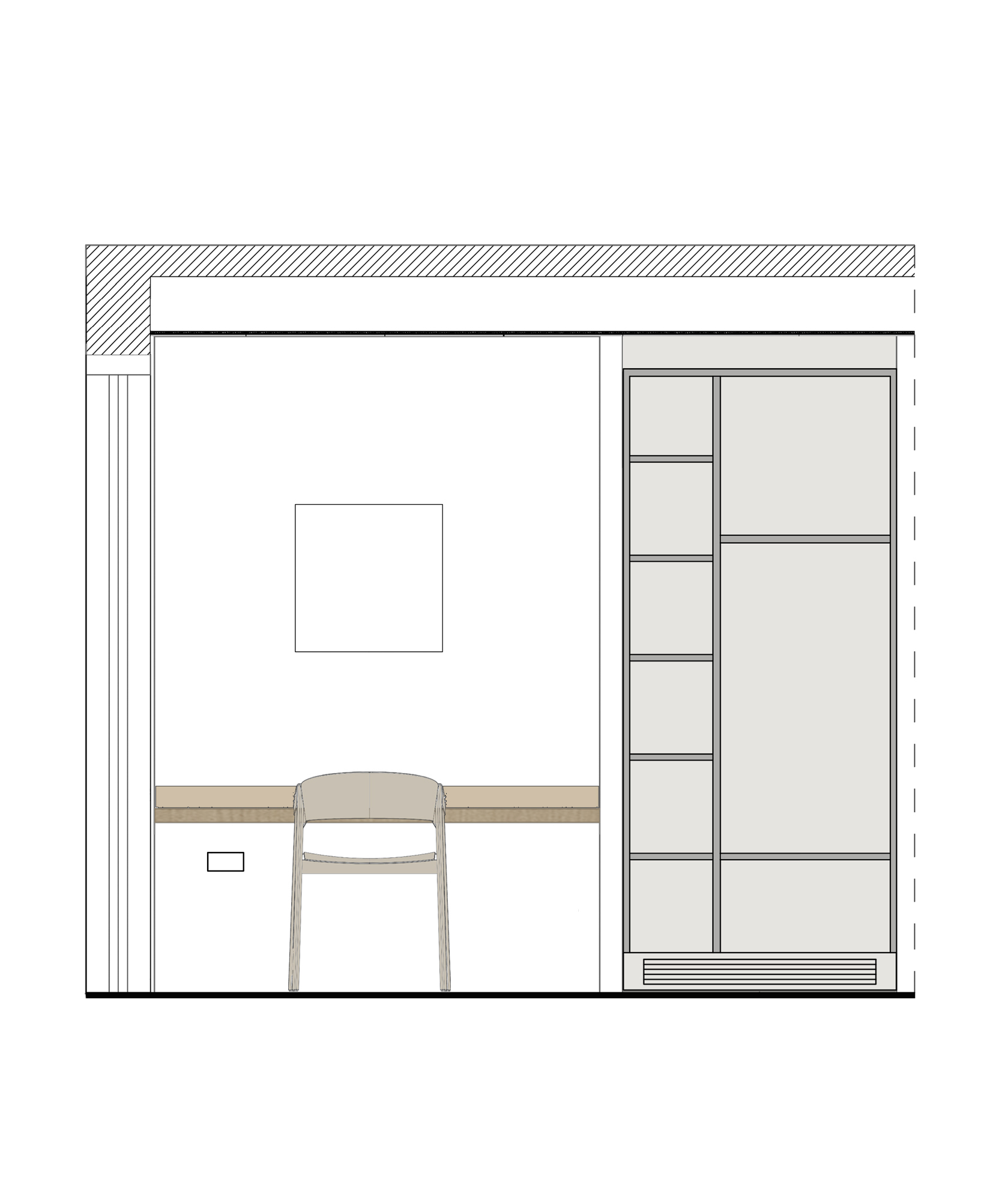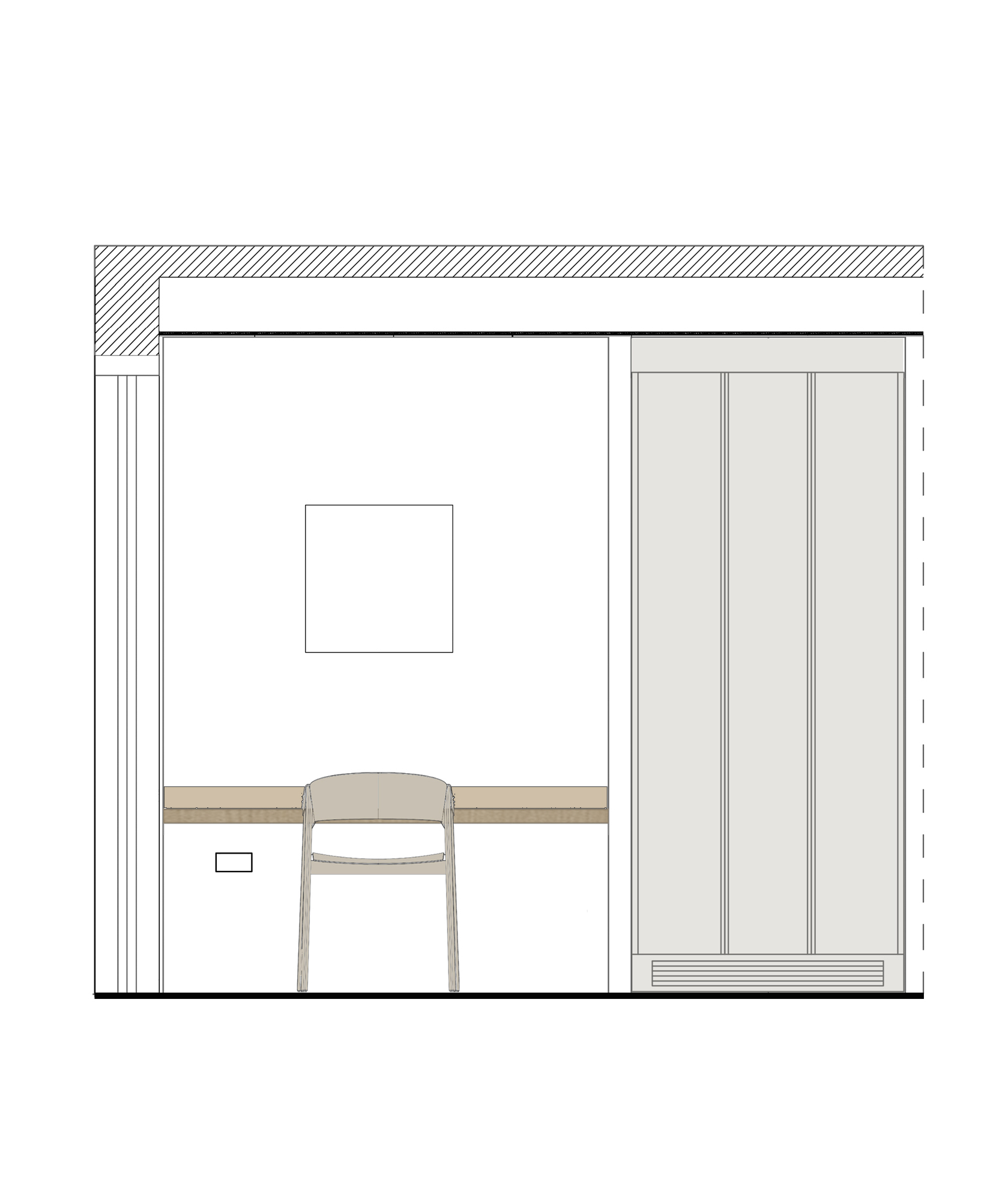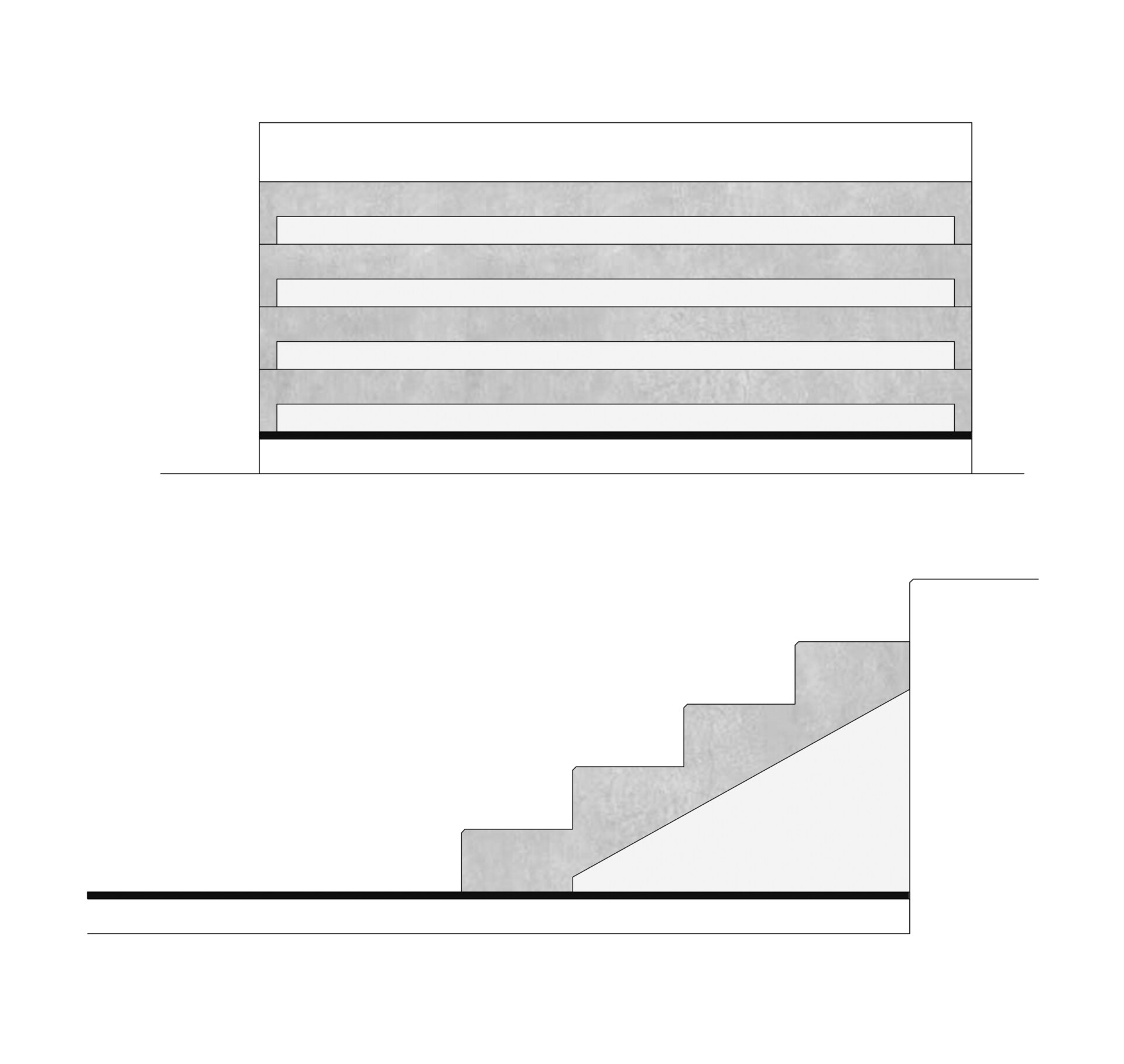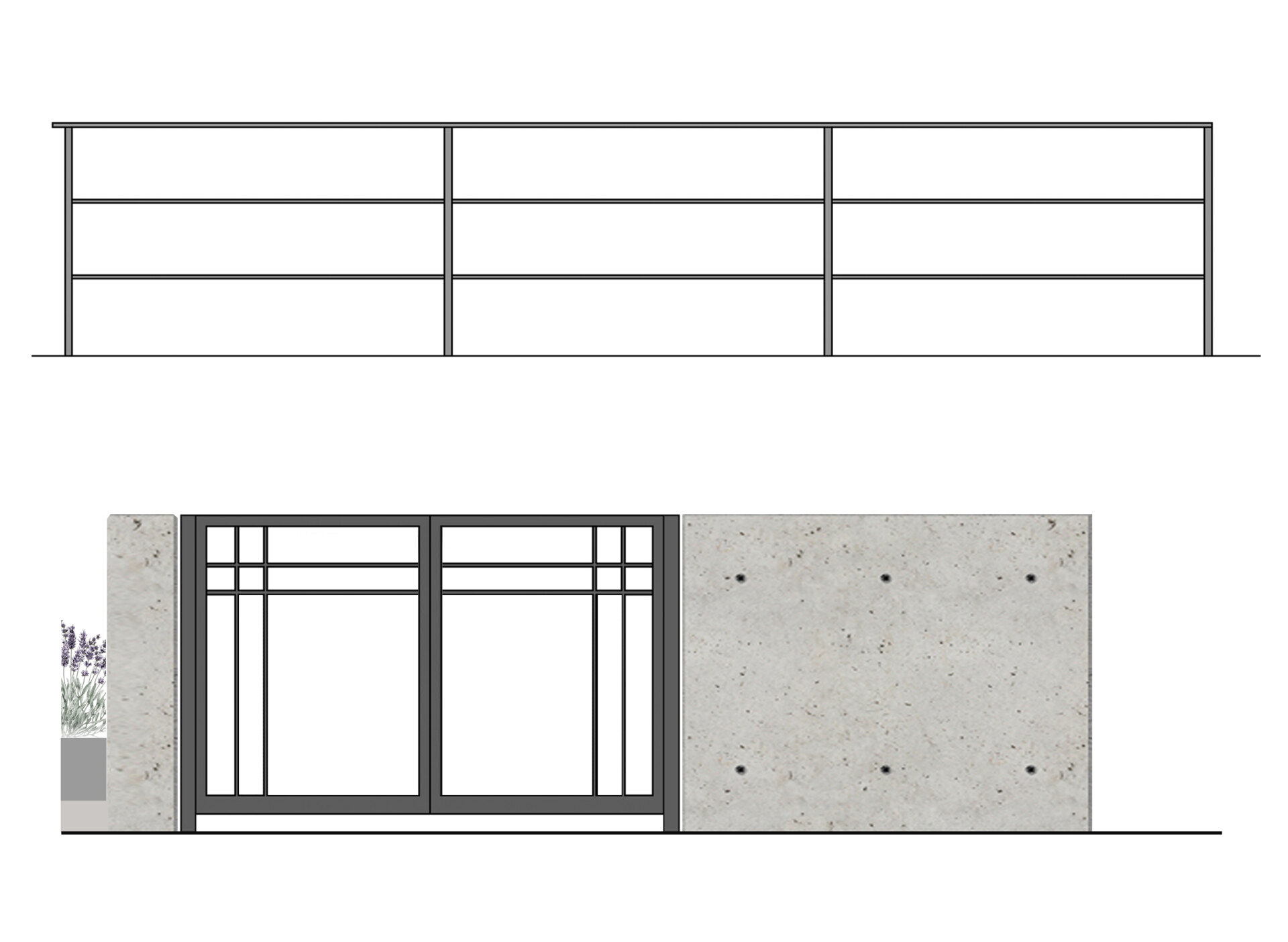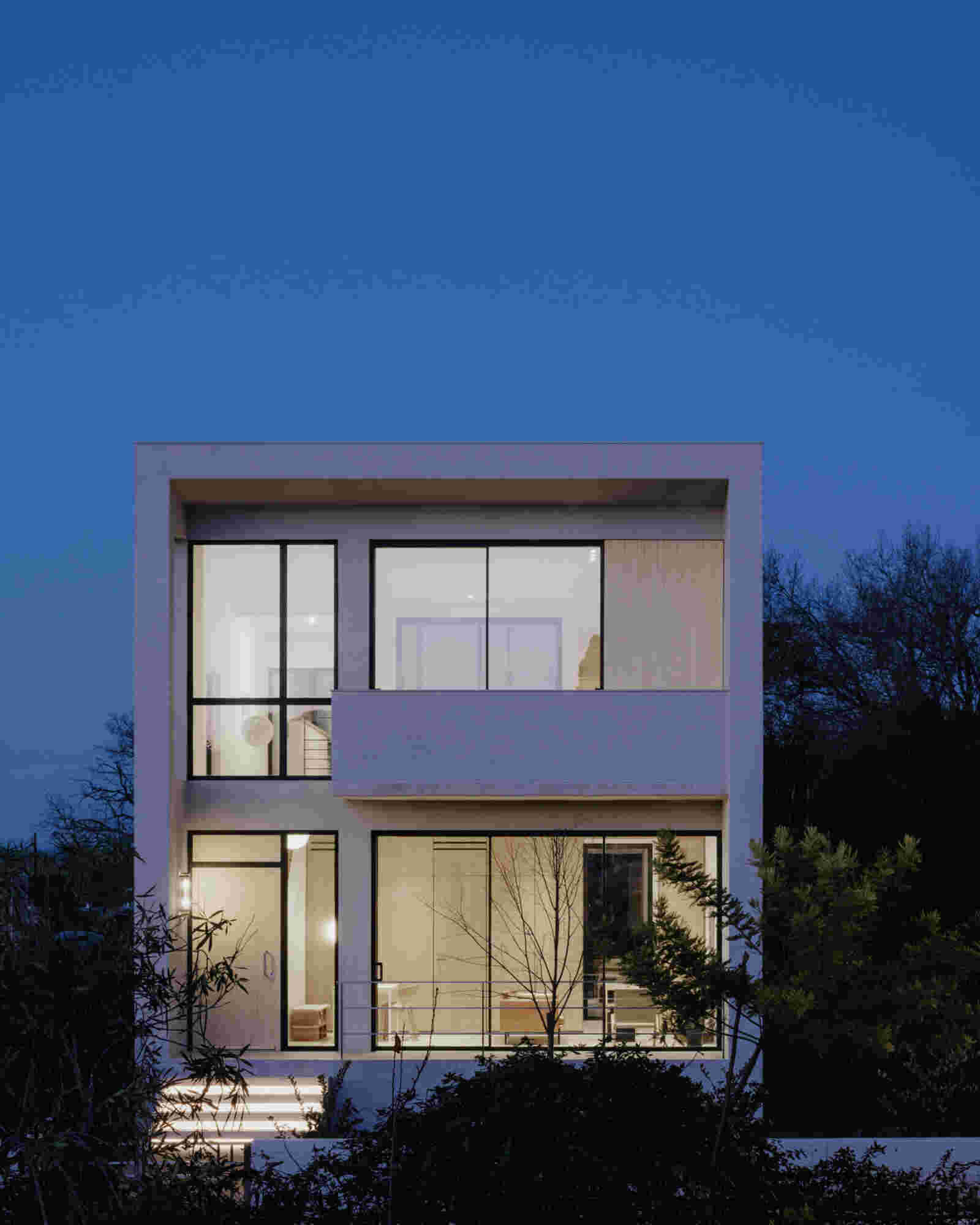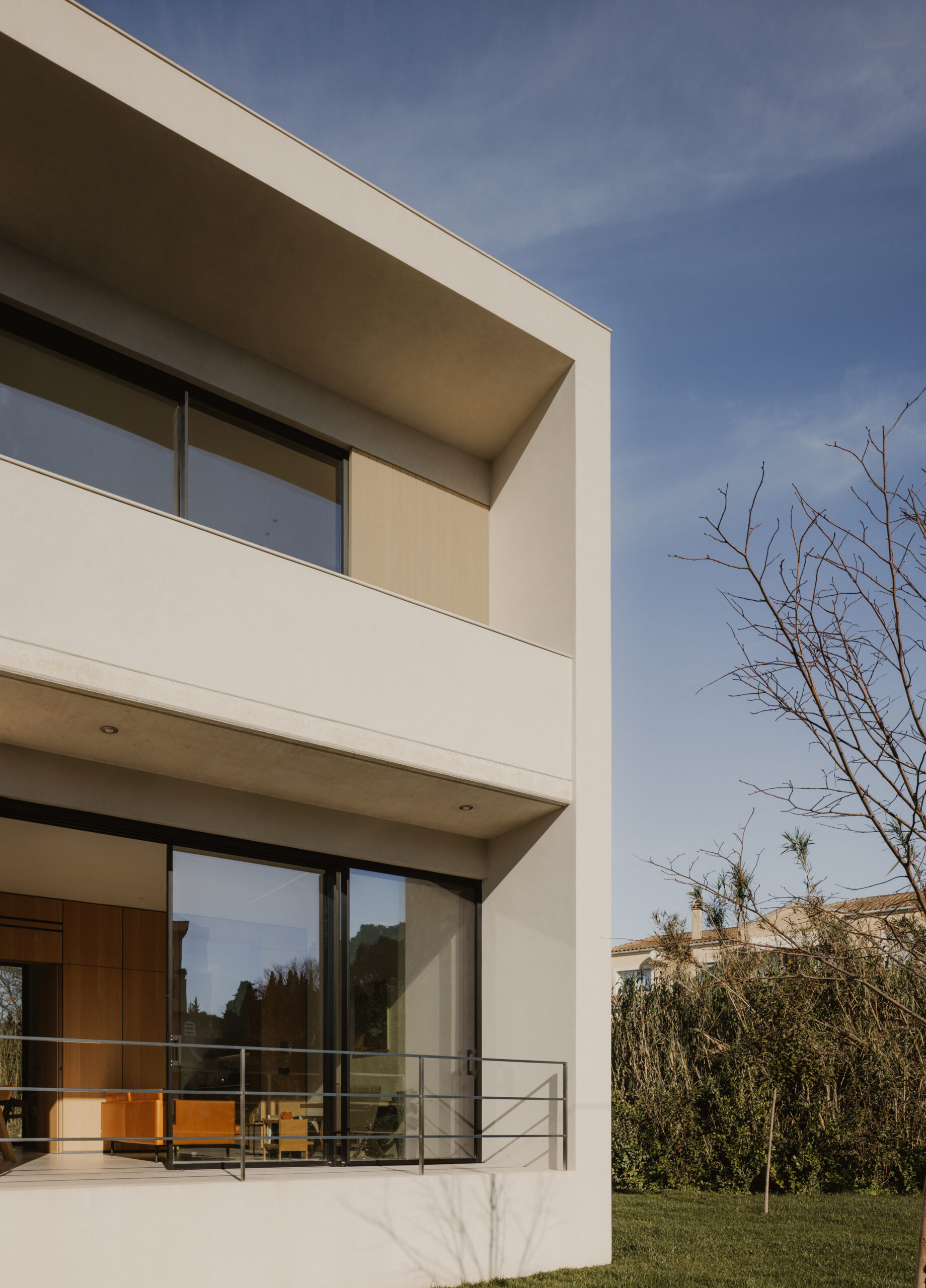
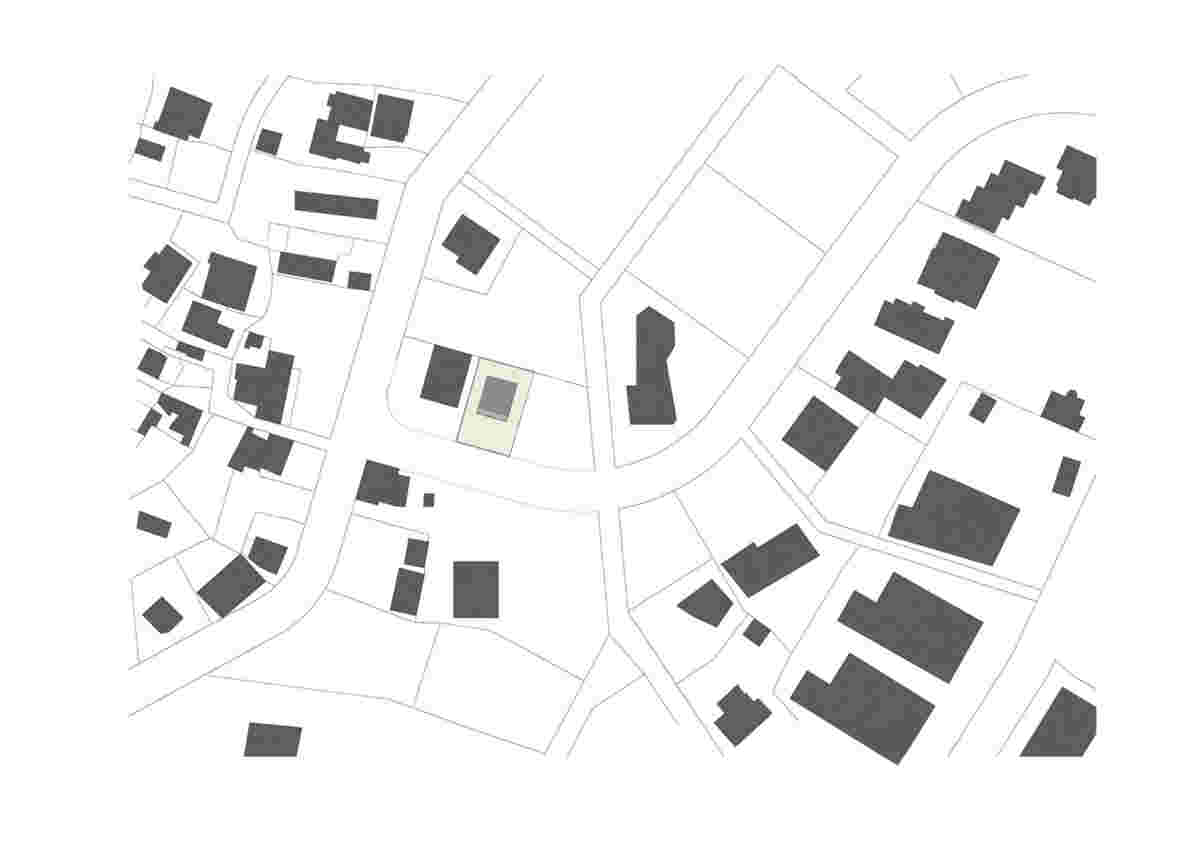
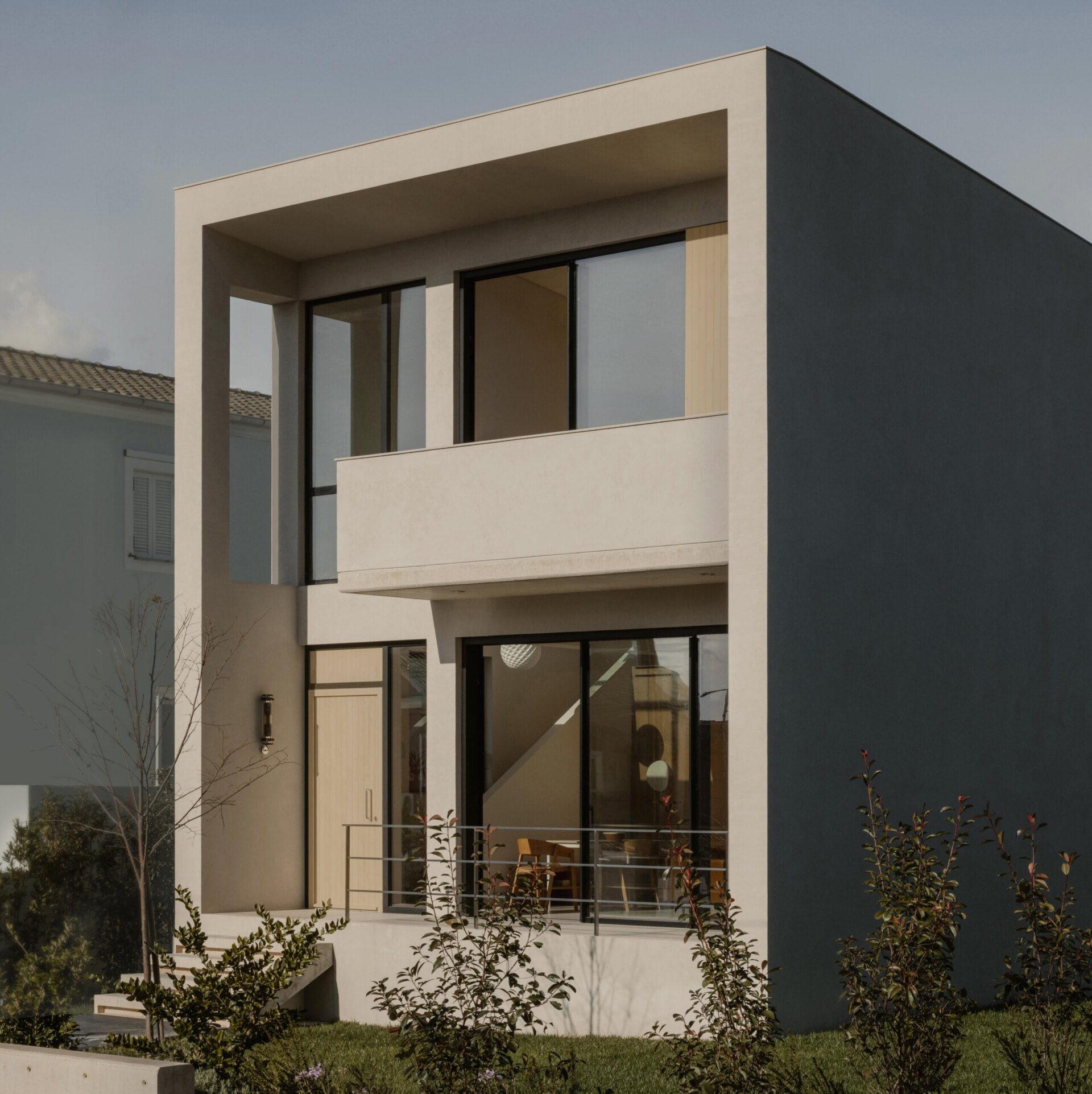
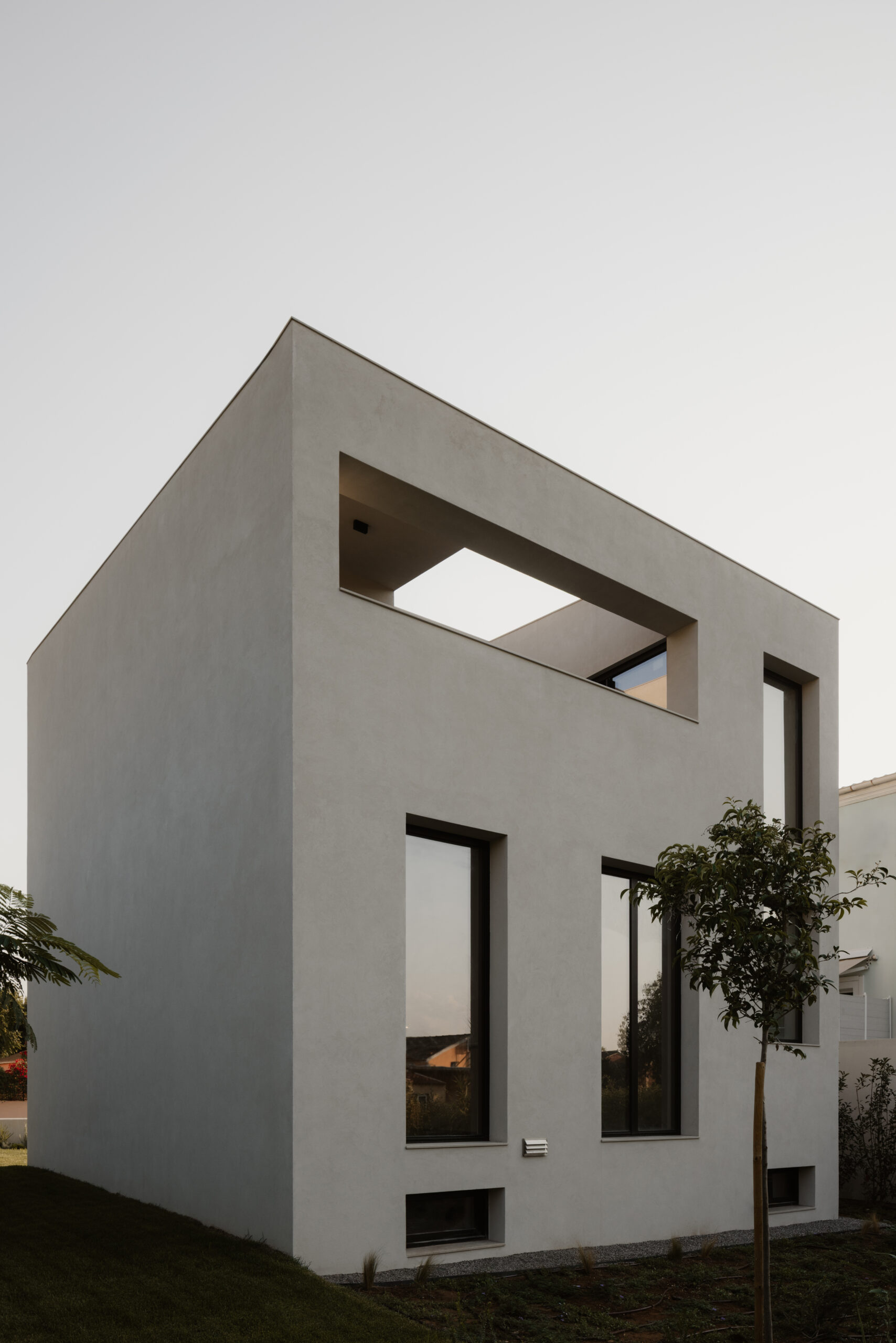
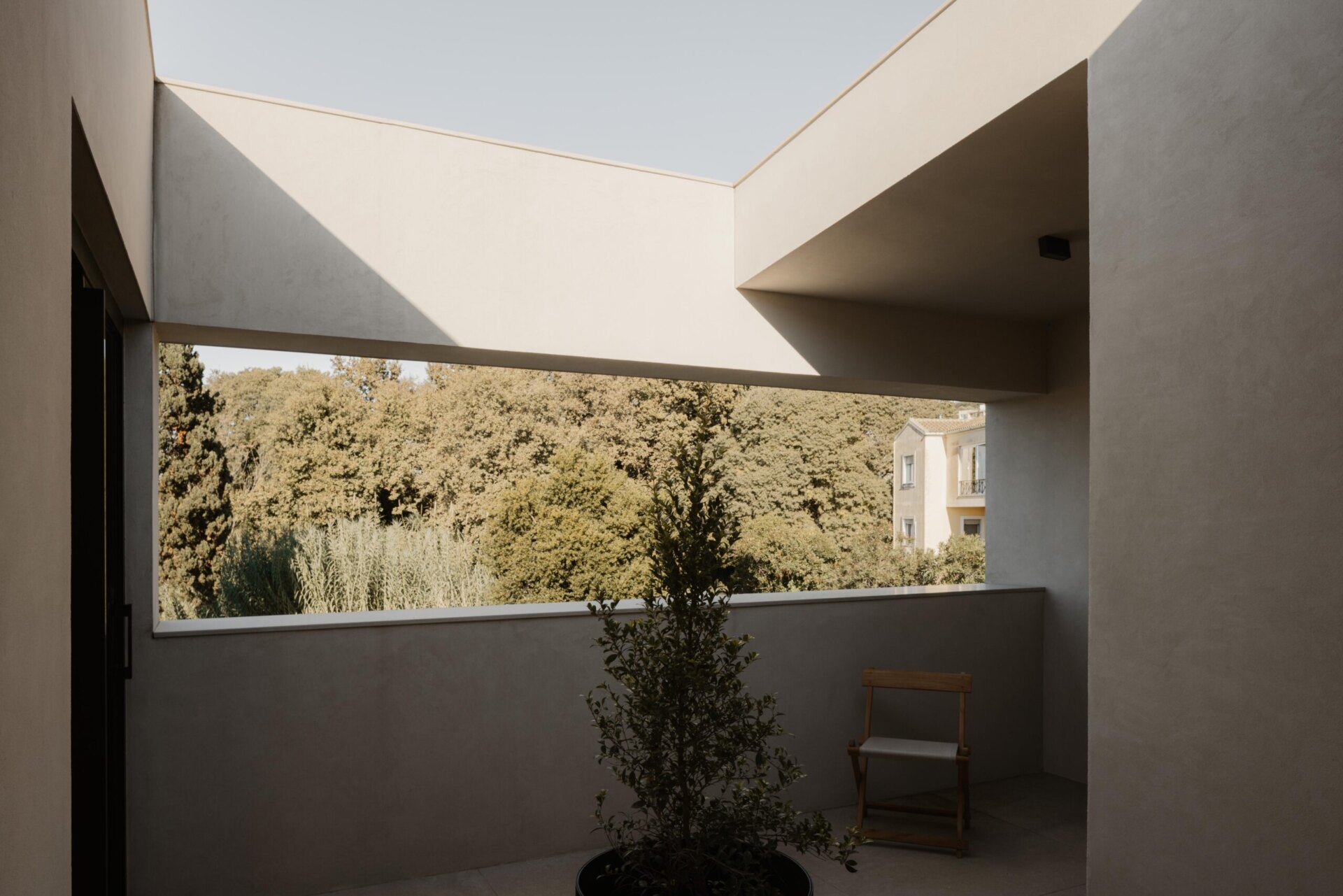
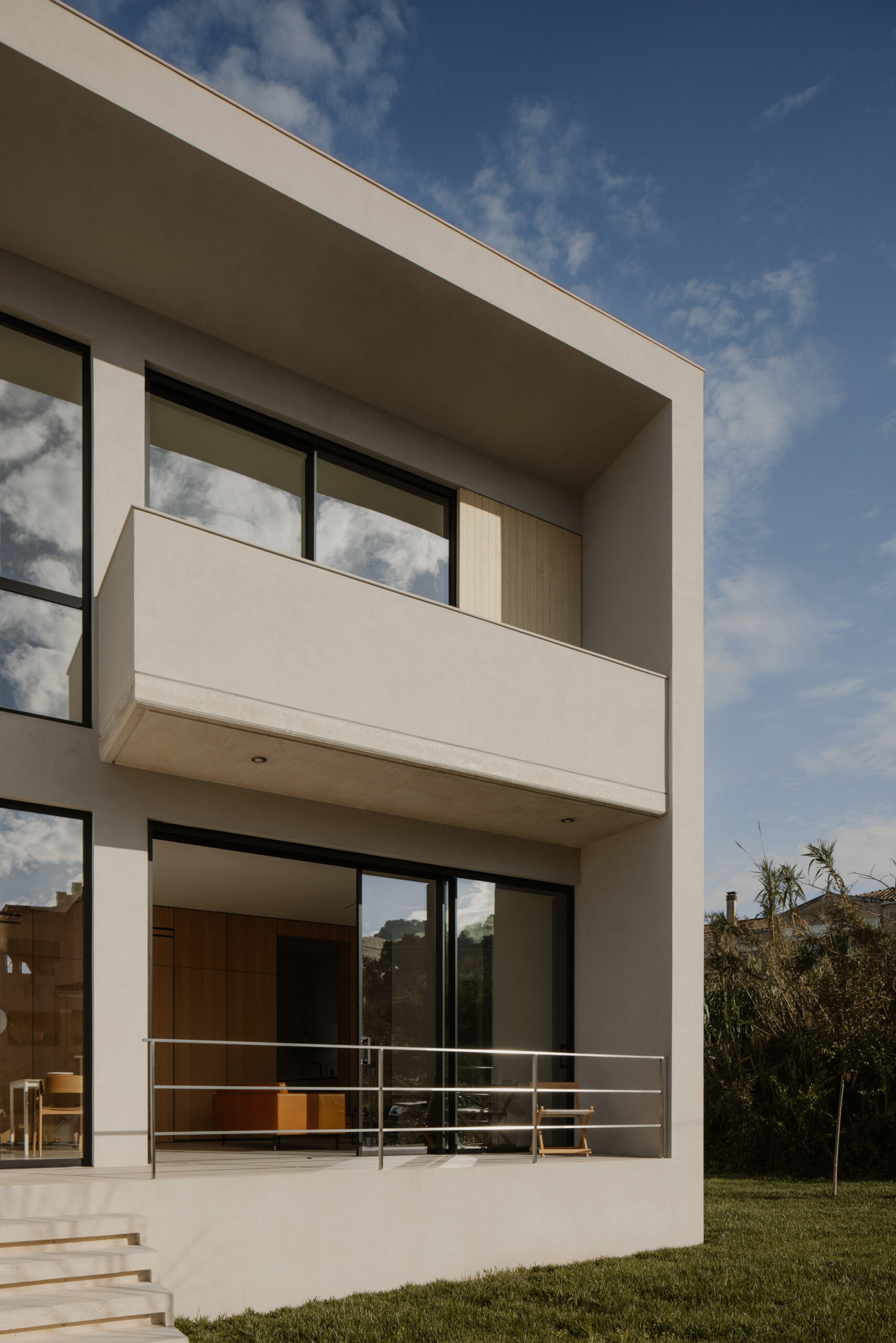
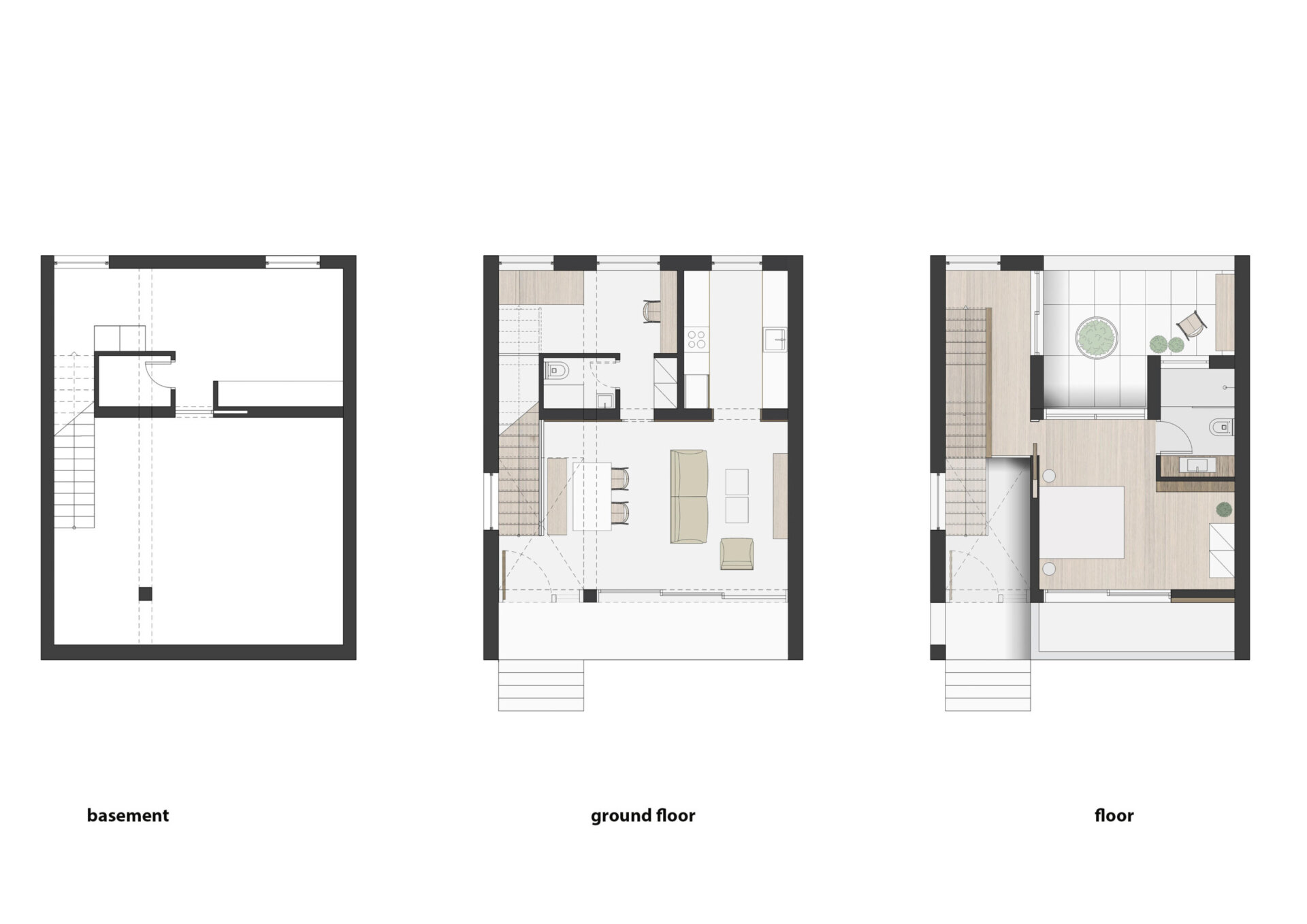
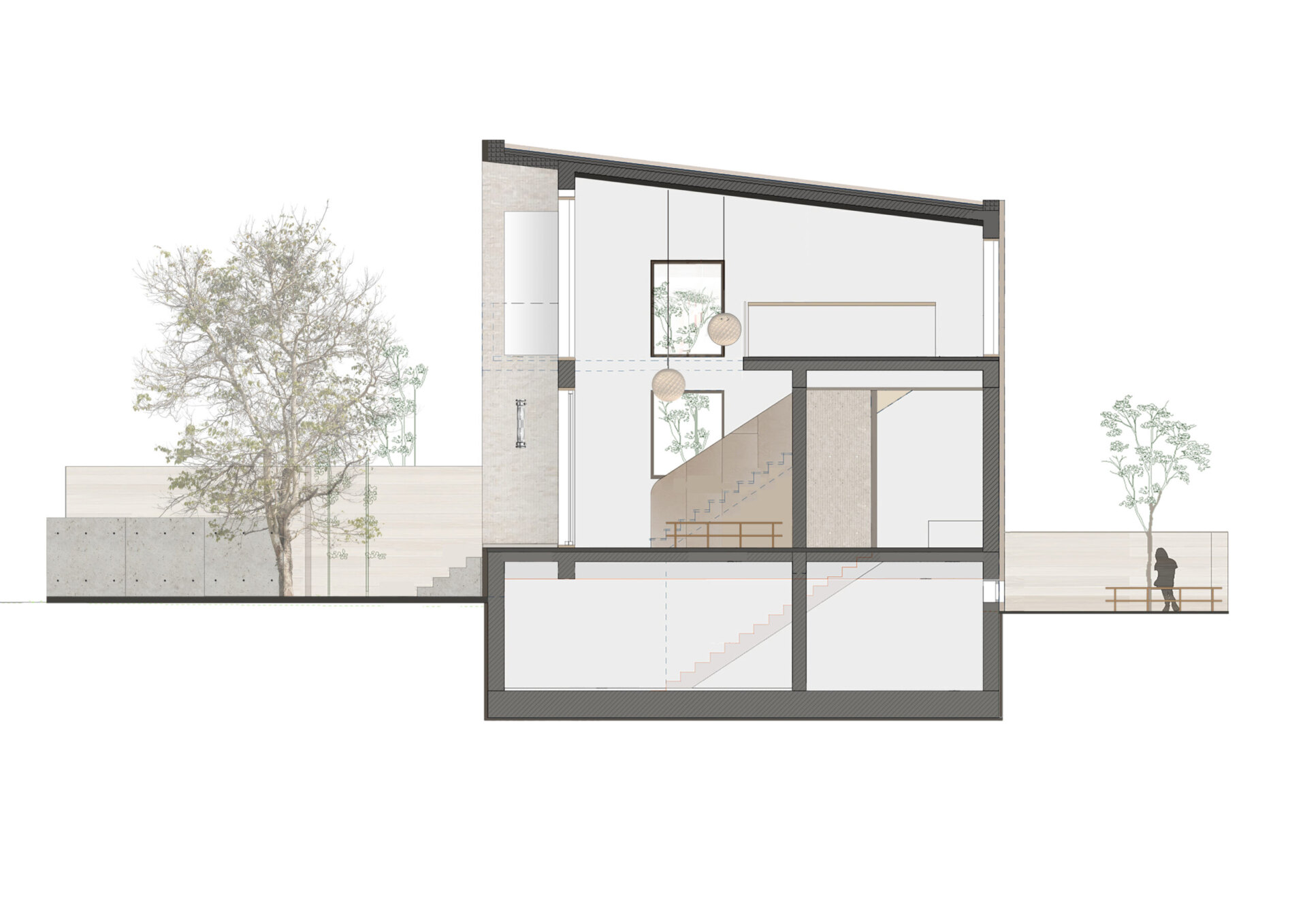
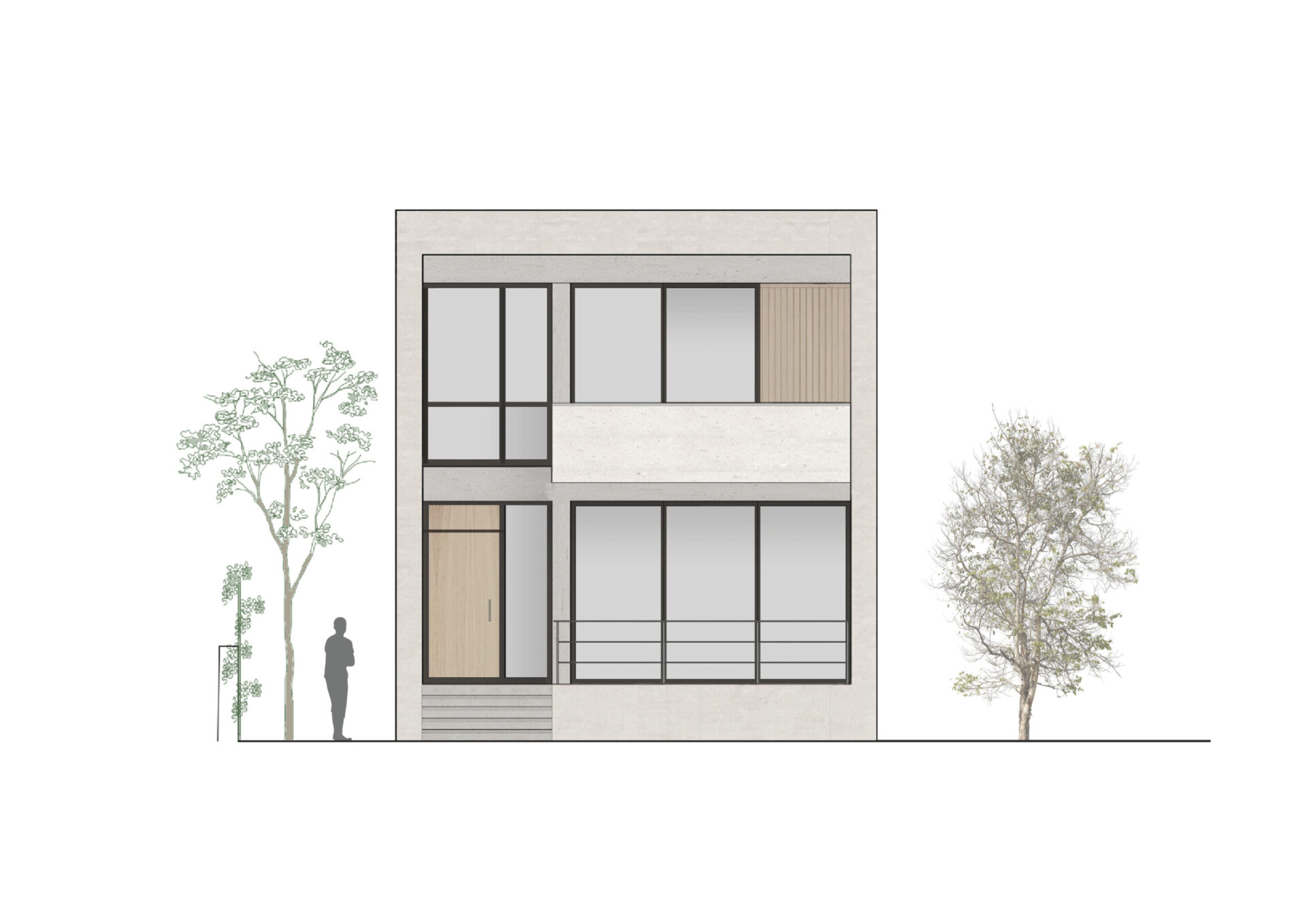
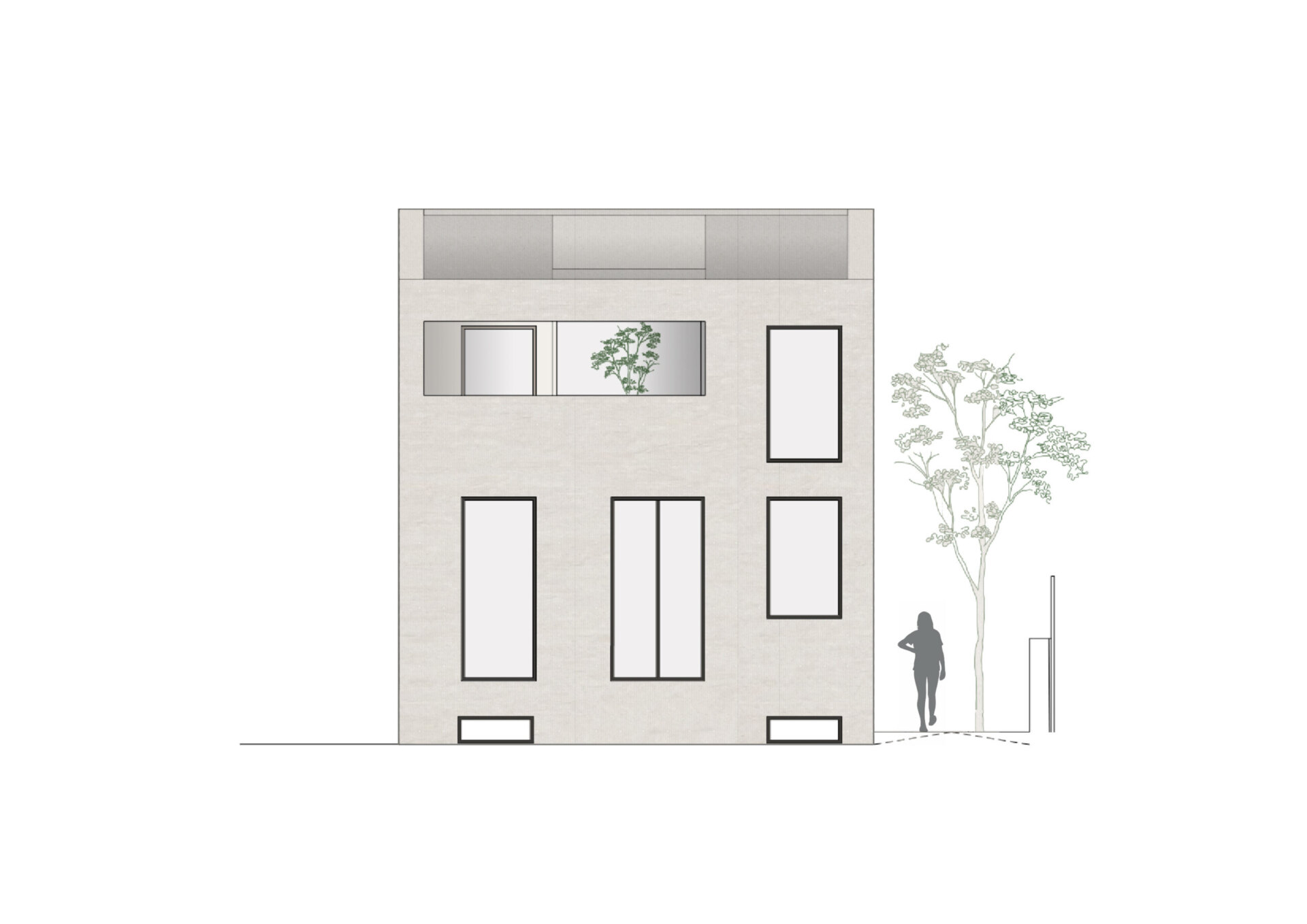
The composition of the residence is governed by a disciplined interplay of mass and void, where subtraction becomes as consequential as construction. A primary cubic volume is carefully incised—openings are neither incidental nor decorative, but placed with a measured intent that balances elevation, light, and privacy. The façade reads as a quiet arrangement of planes, where deep-set frames and recessed apertures lend depth to an otherwise austere geometry. This calibrated asymmetry avoids rigidity, introducing a subtle tension that animates the whole. Rather than composing for image alone, the project orchestrates a spatial logic that extends inward, where each opening corresponds to a specific interior condition, aligning the external order with the lived experience within.
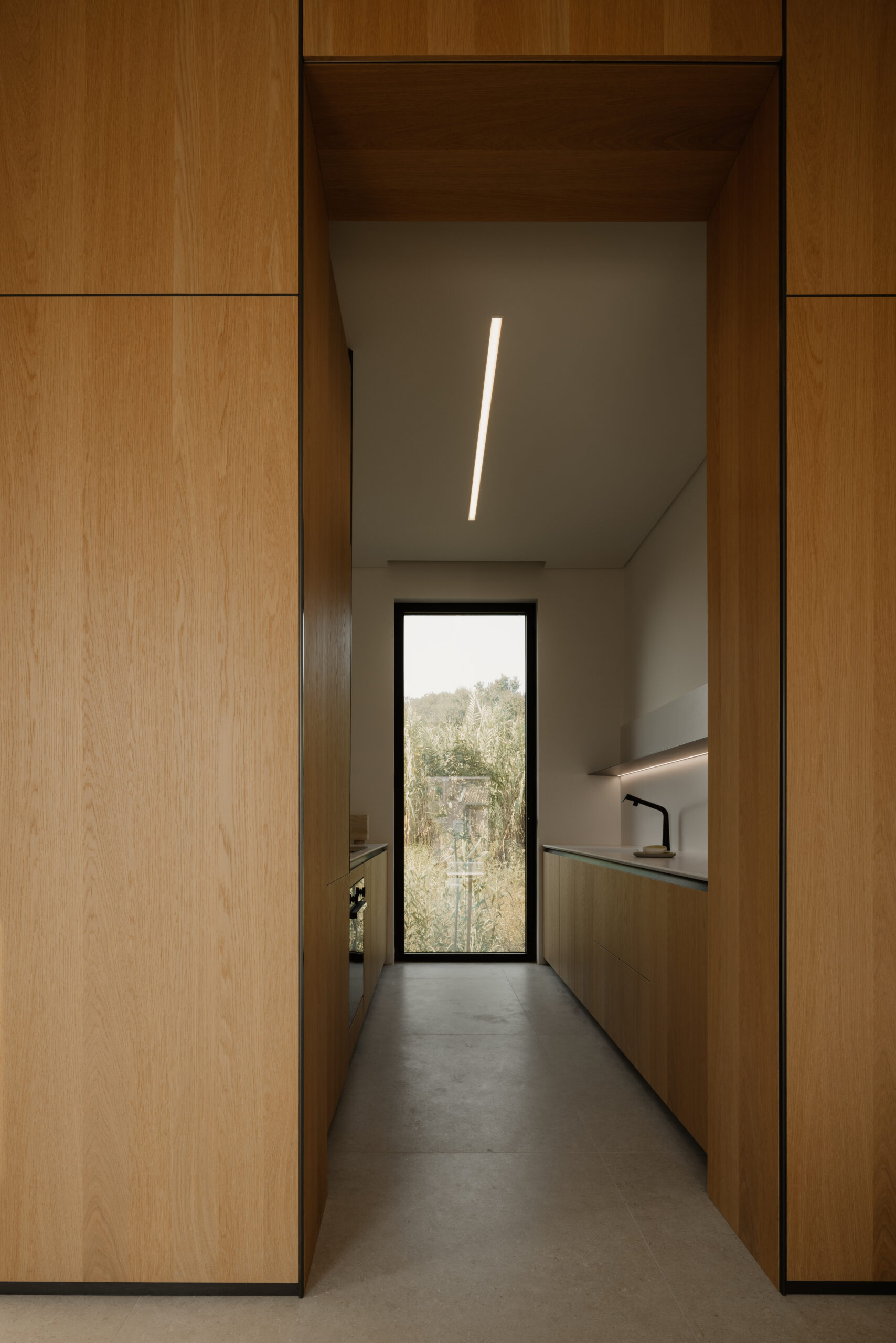
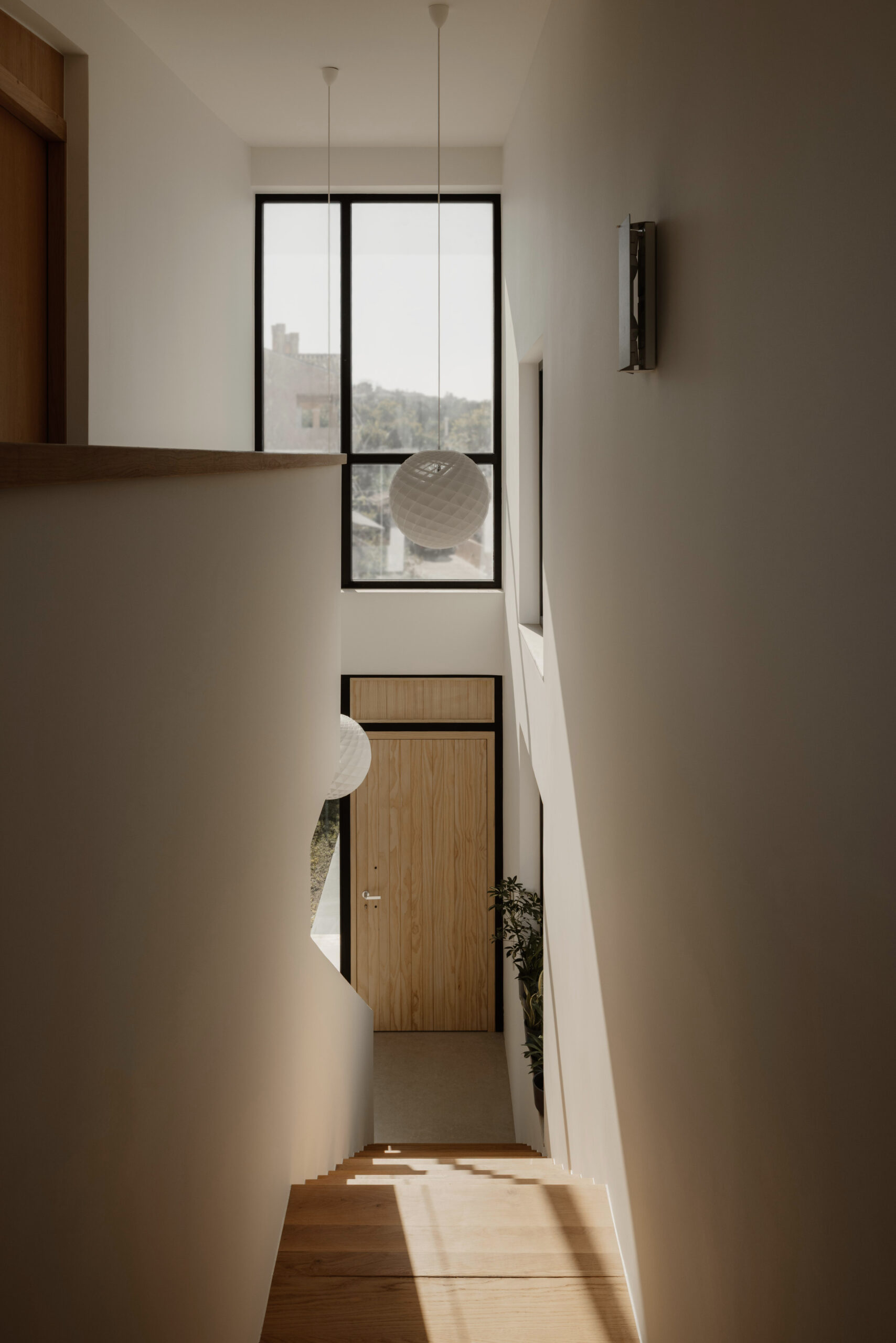
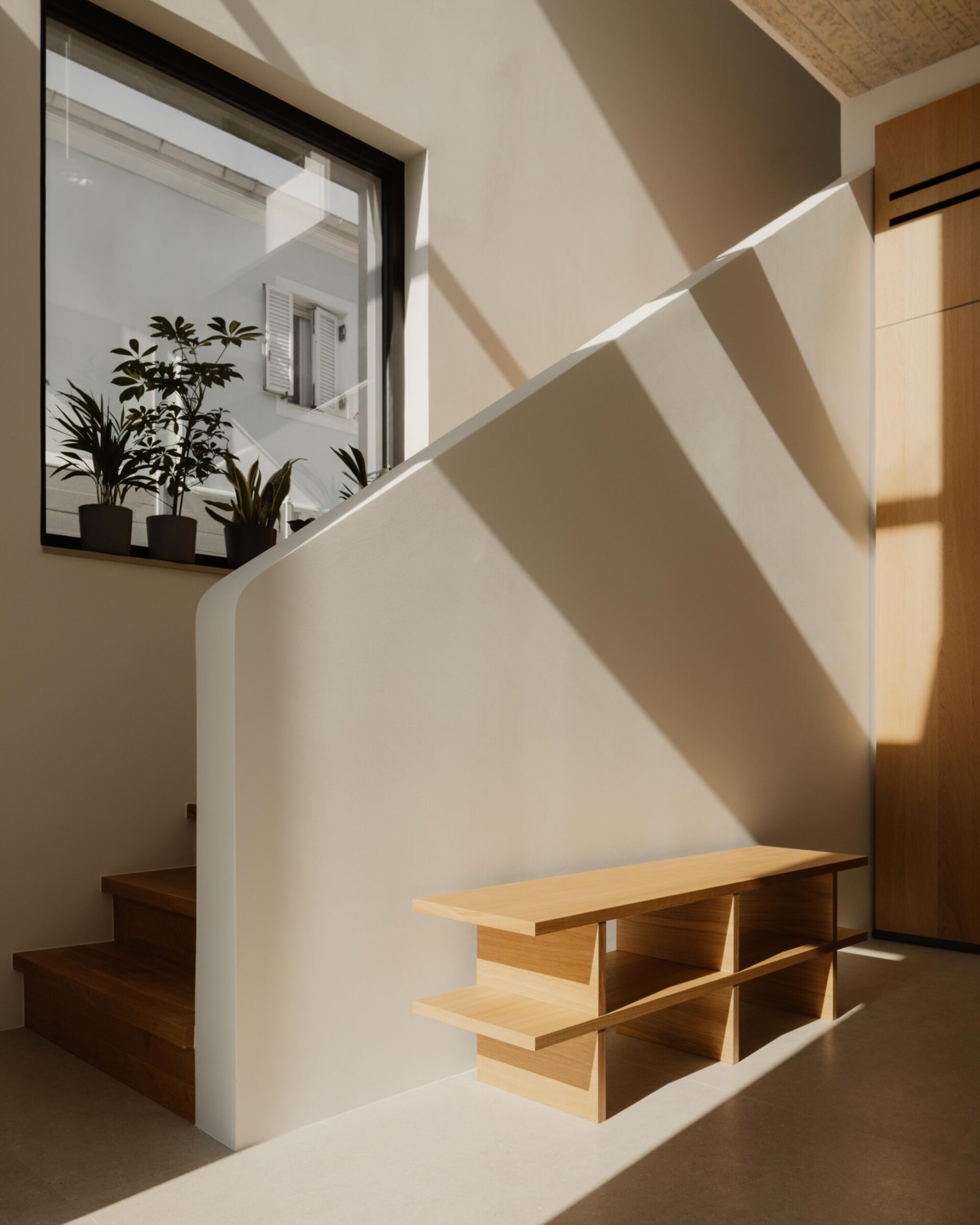
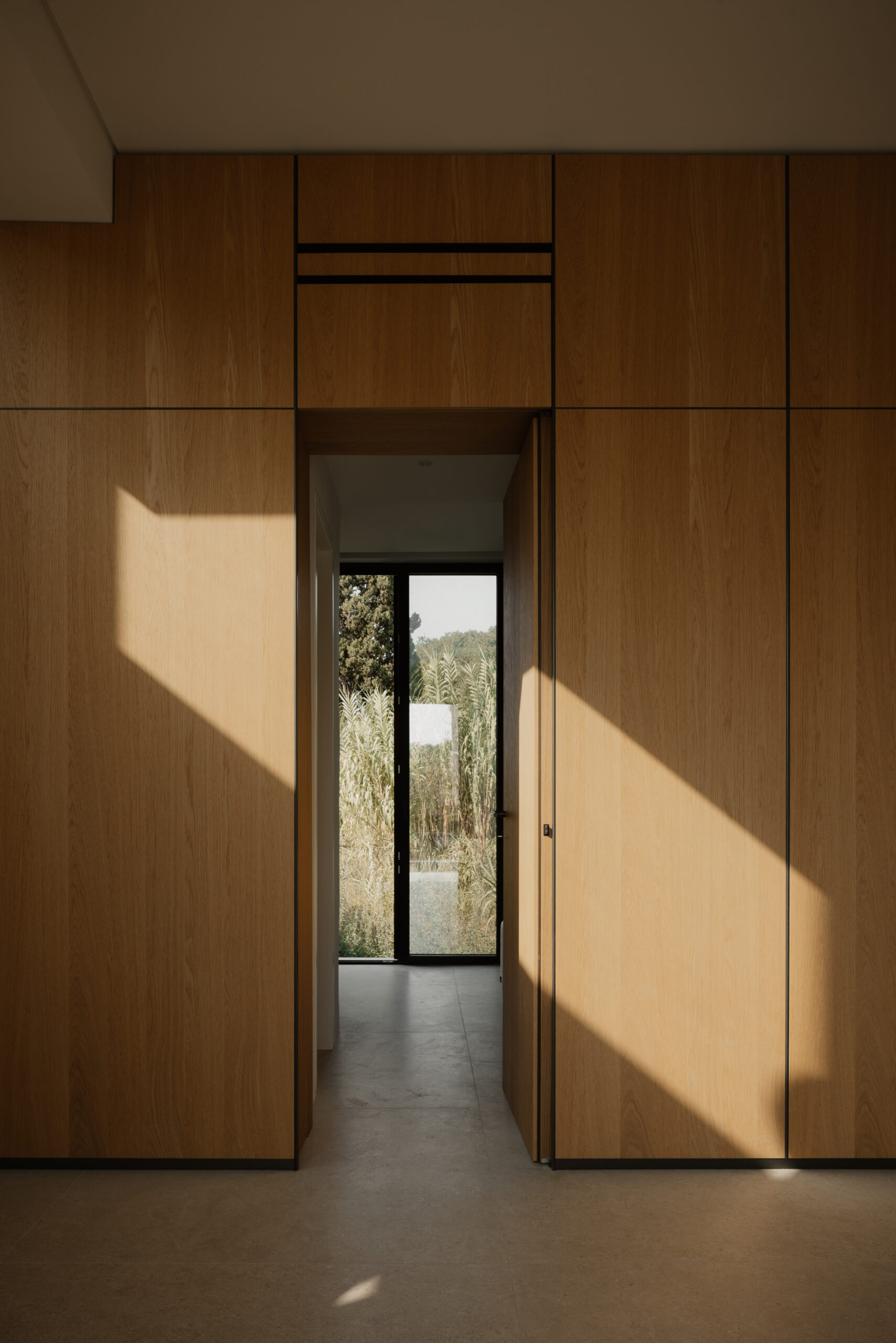
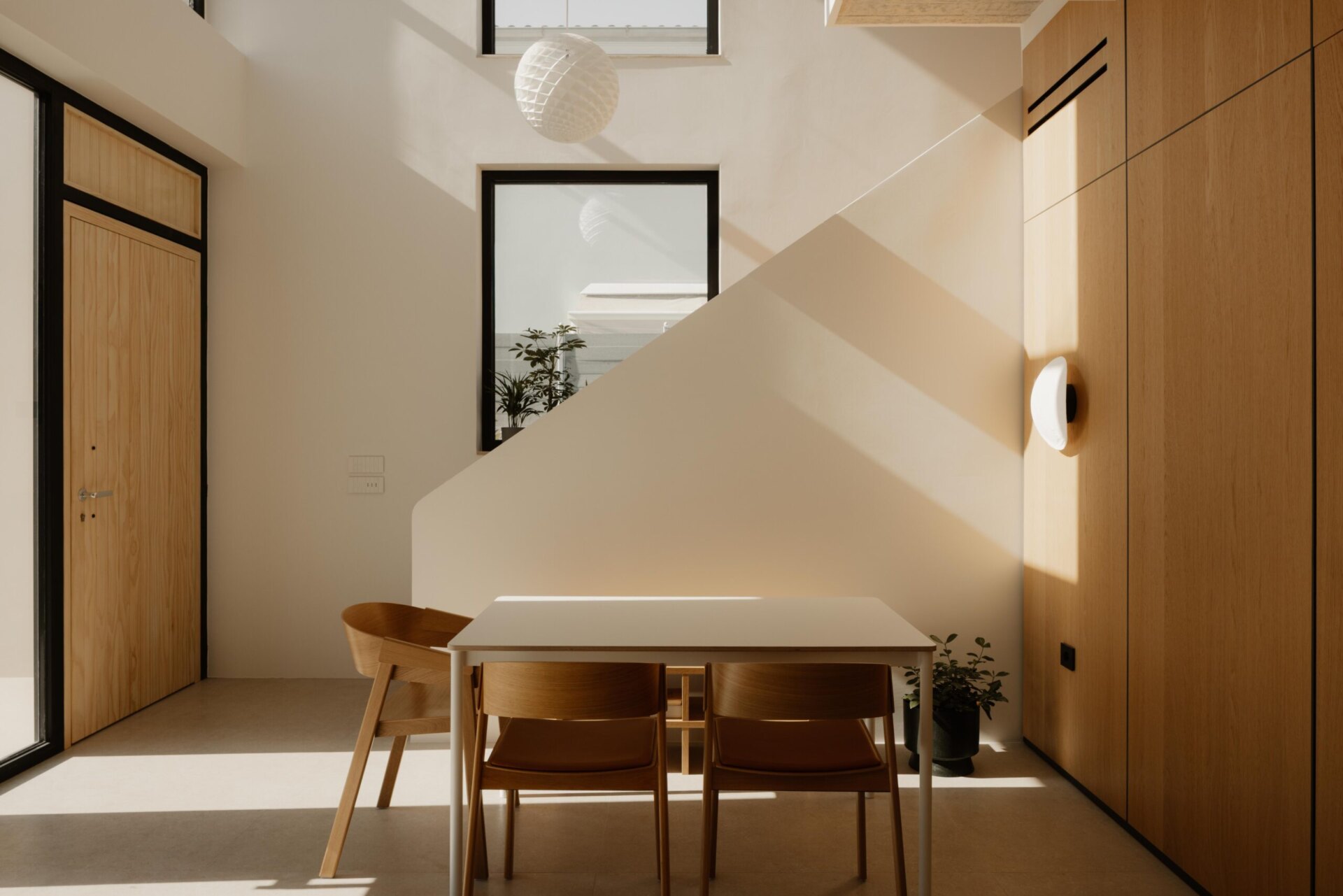
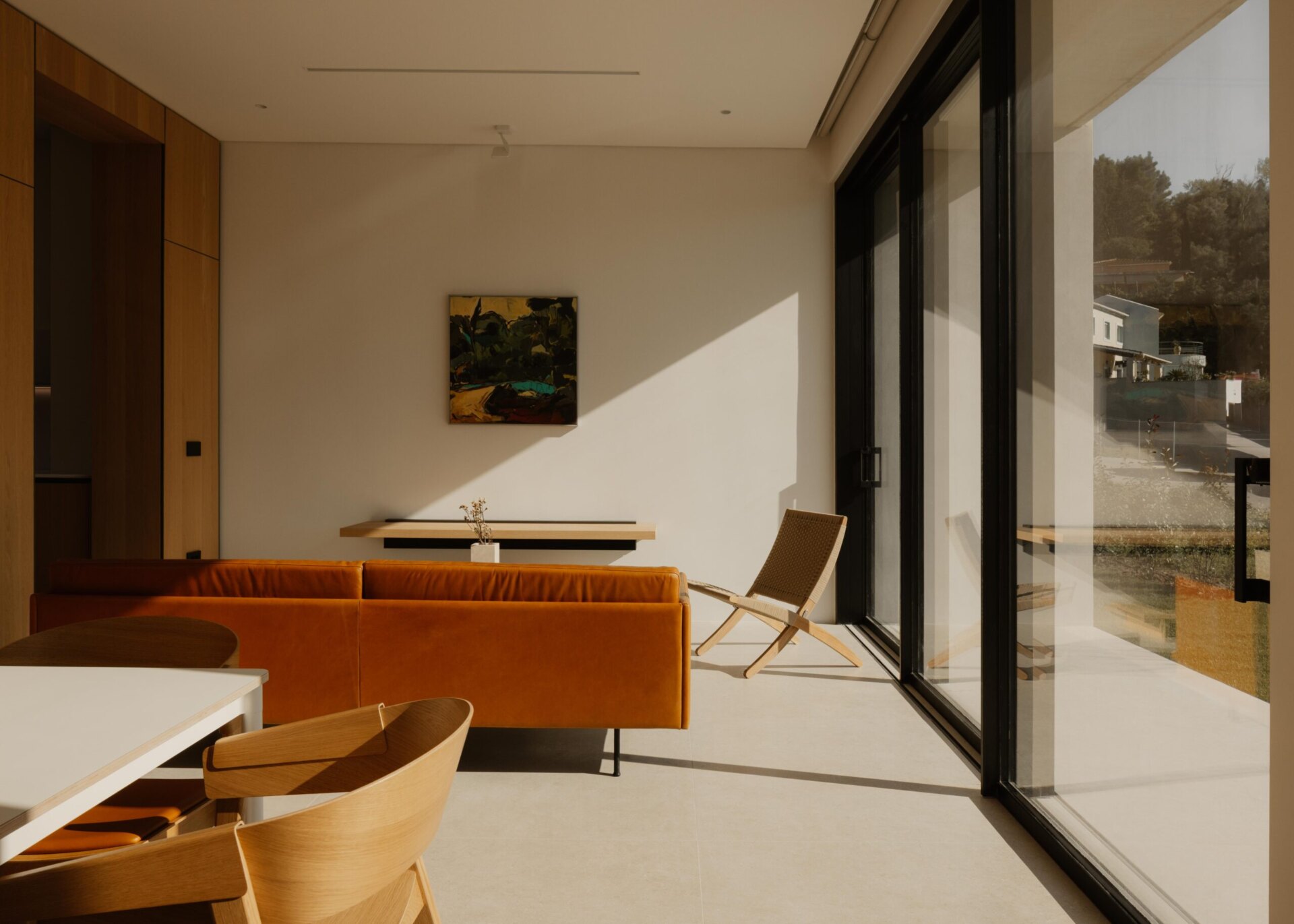
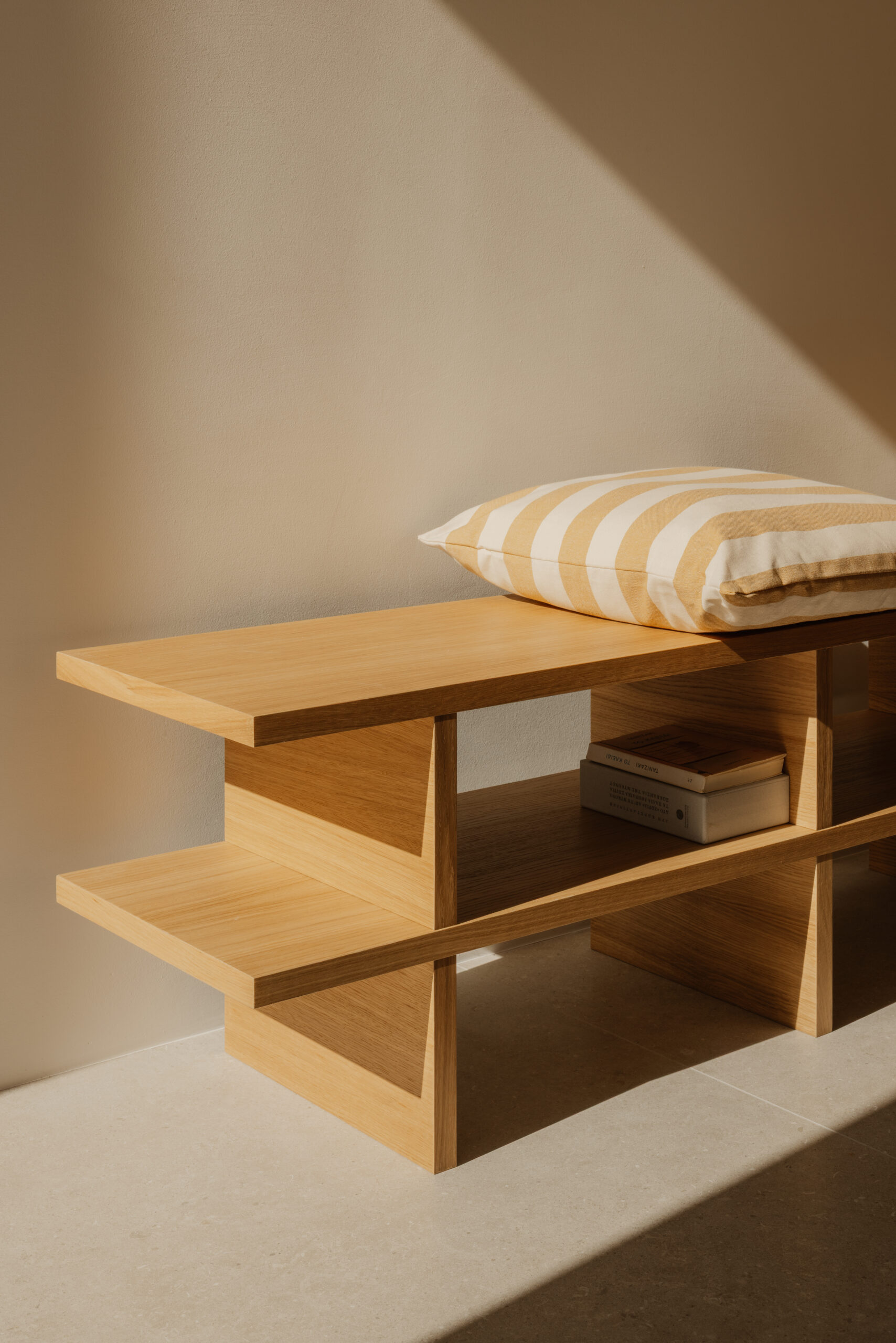
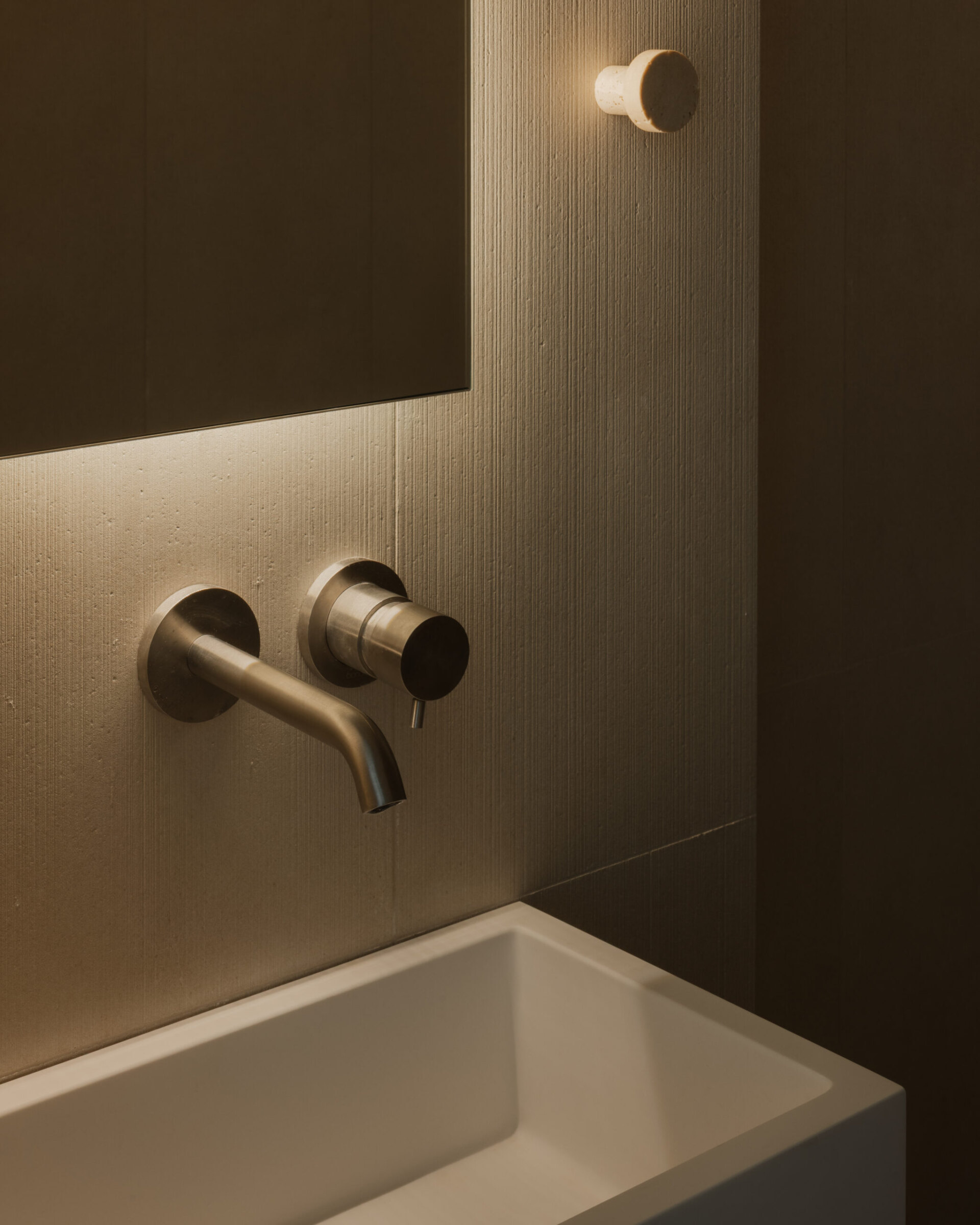
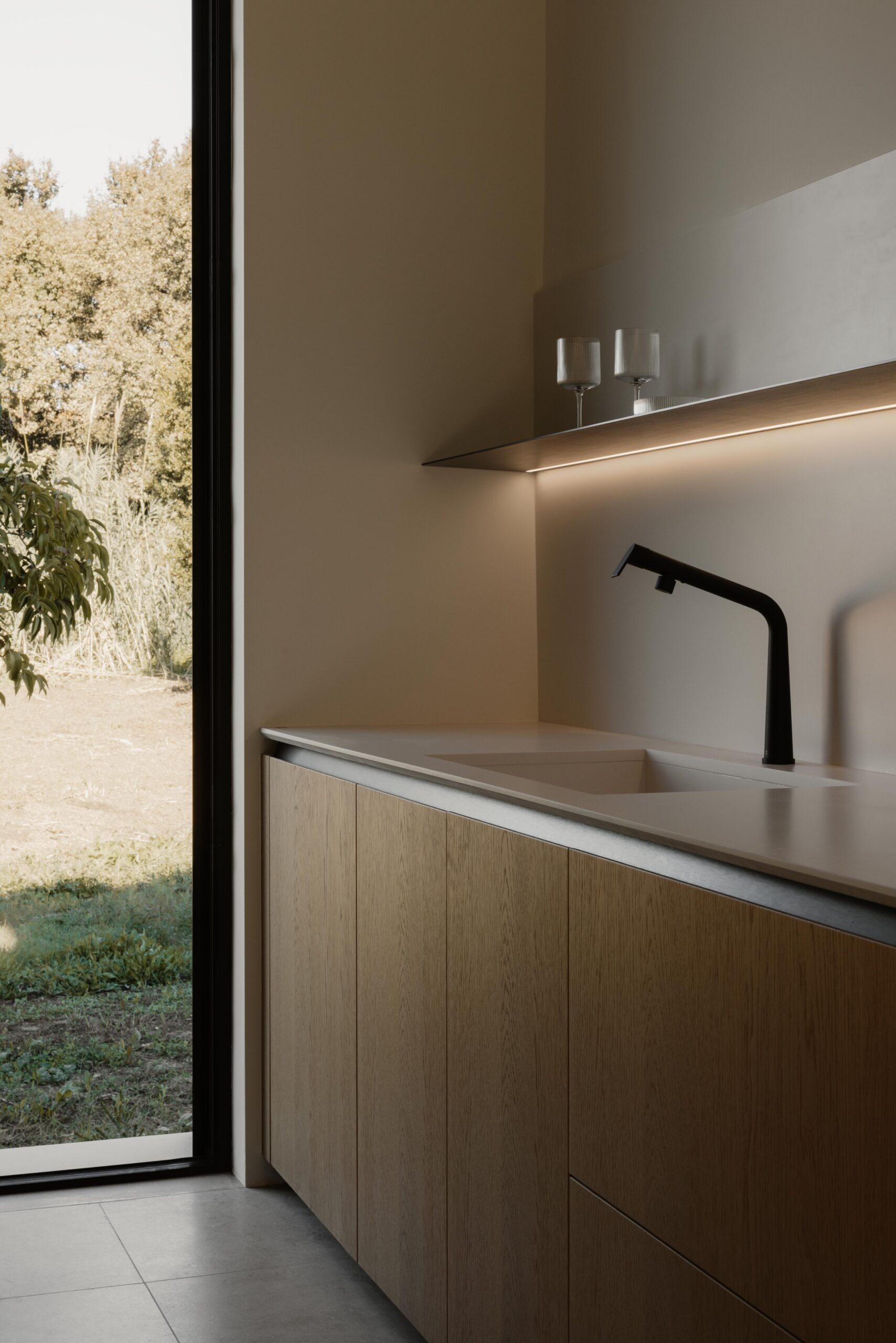
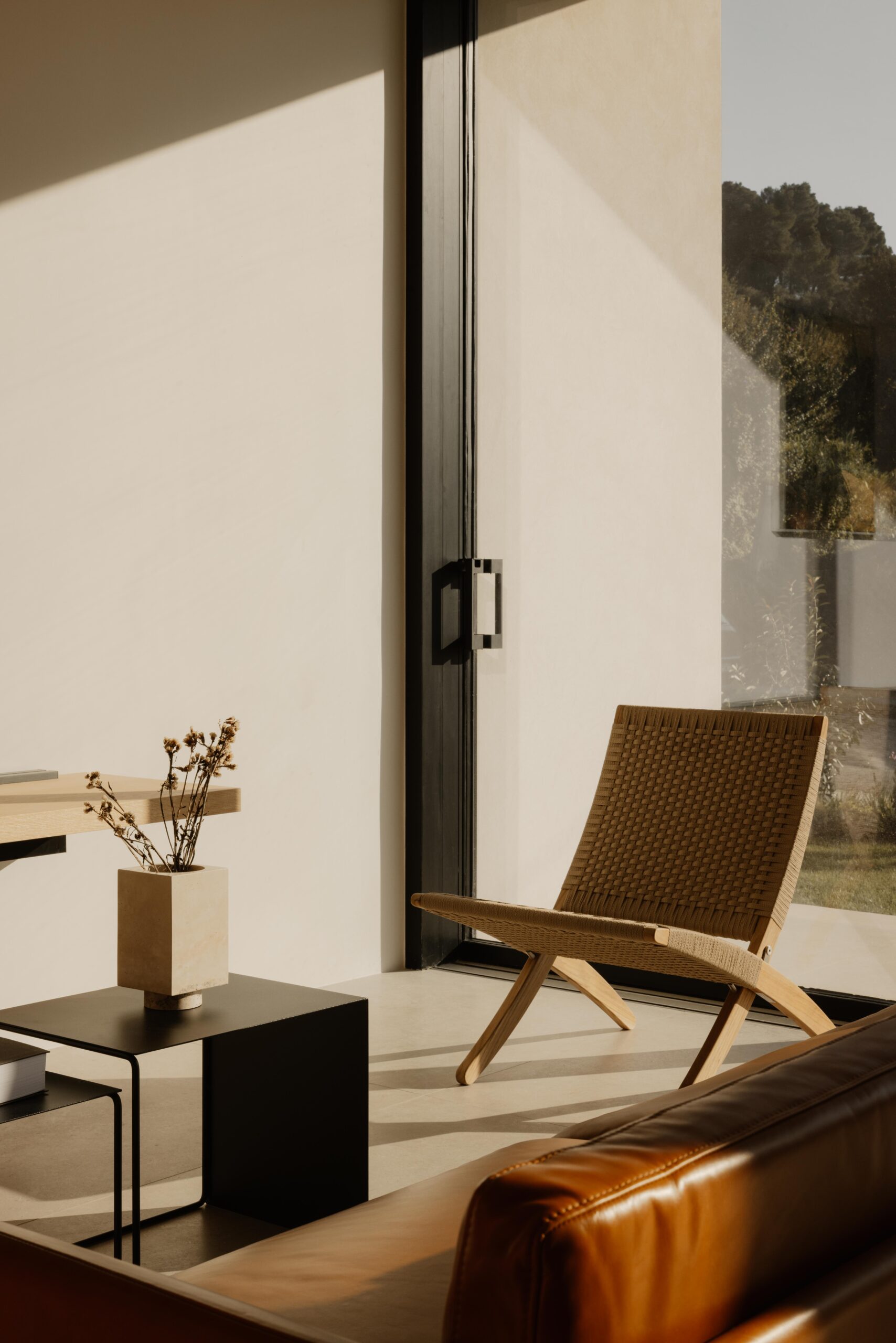
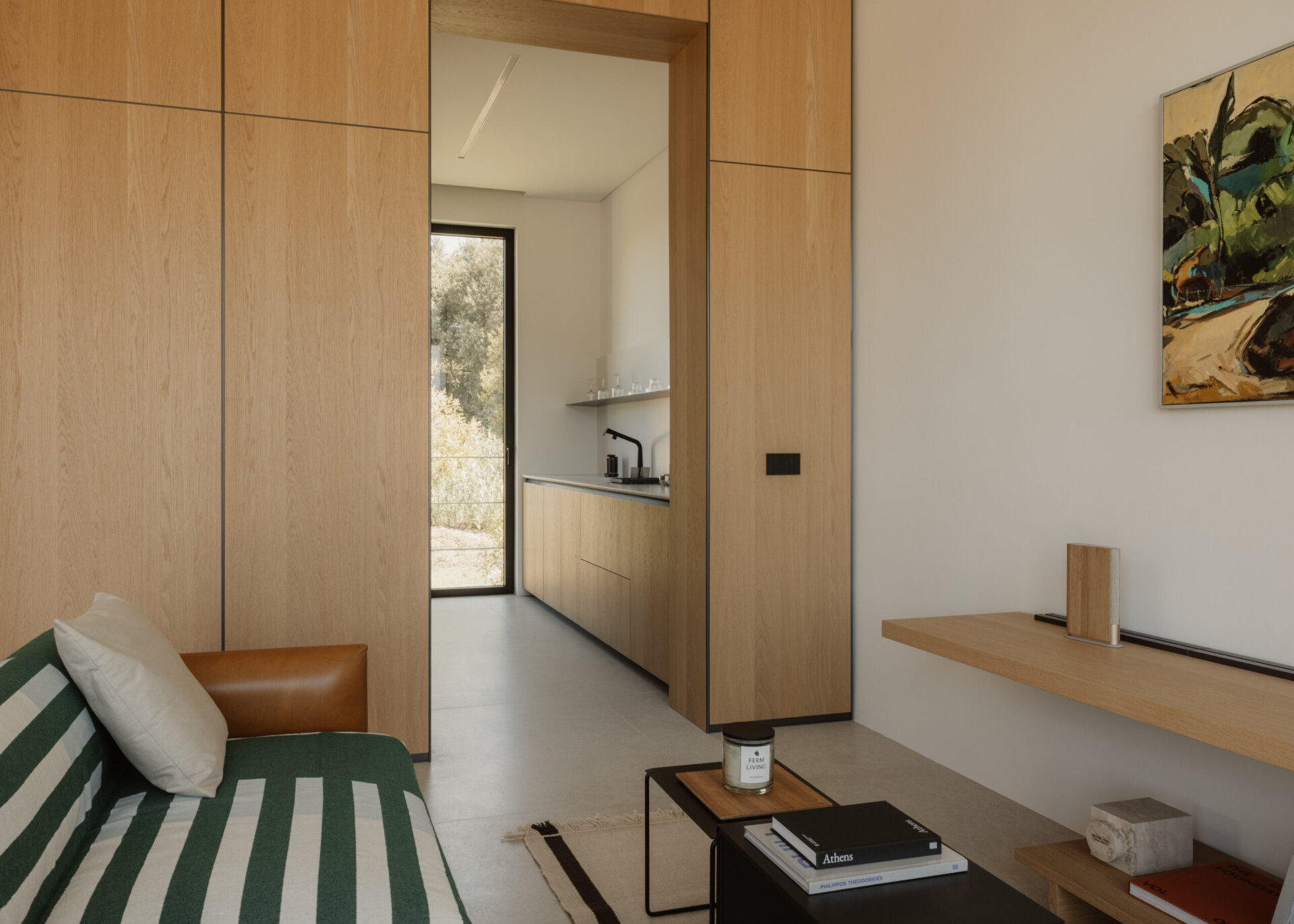
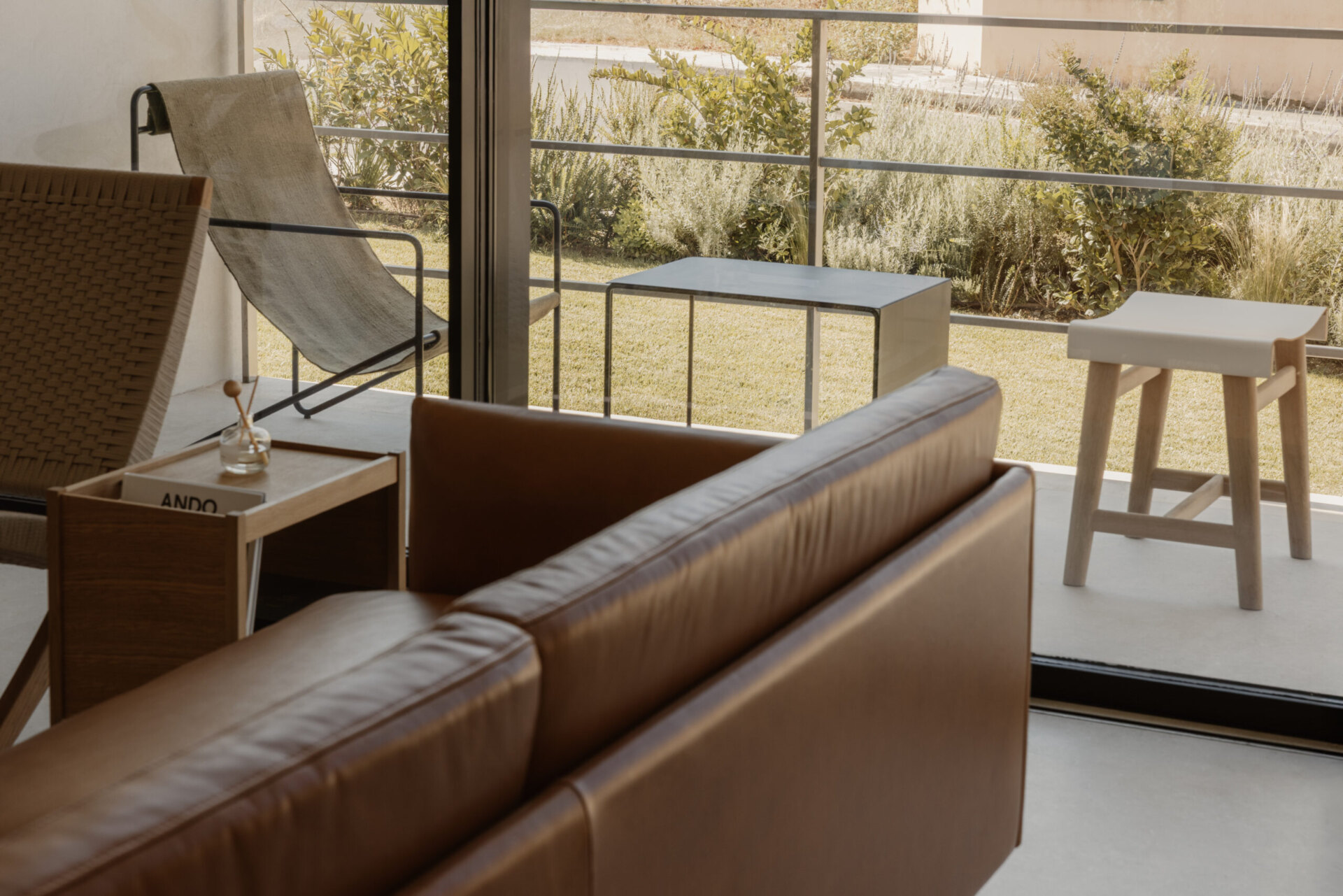
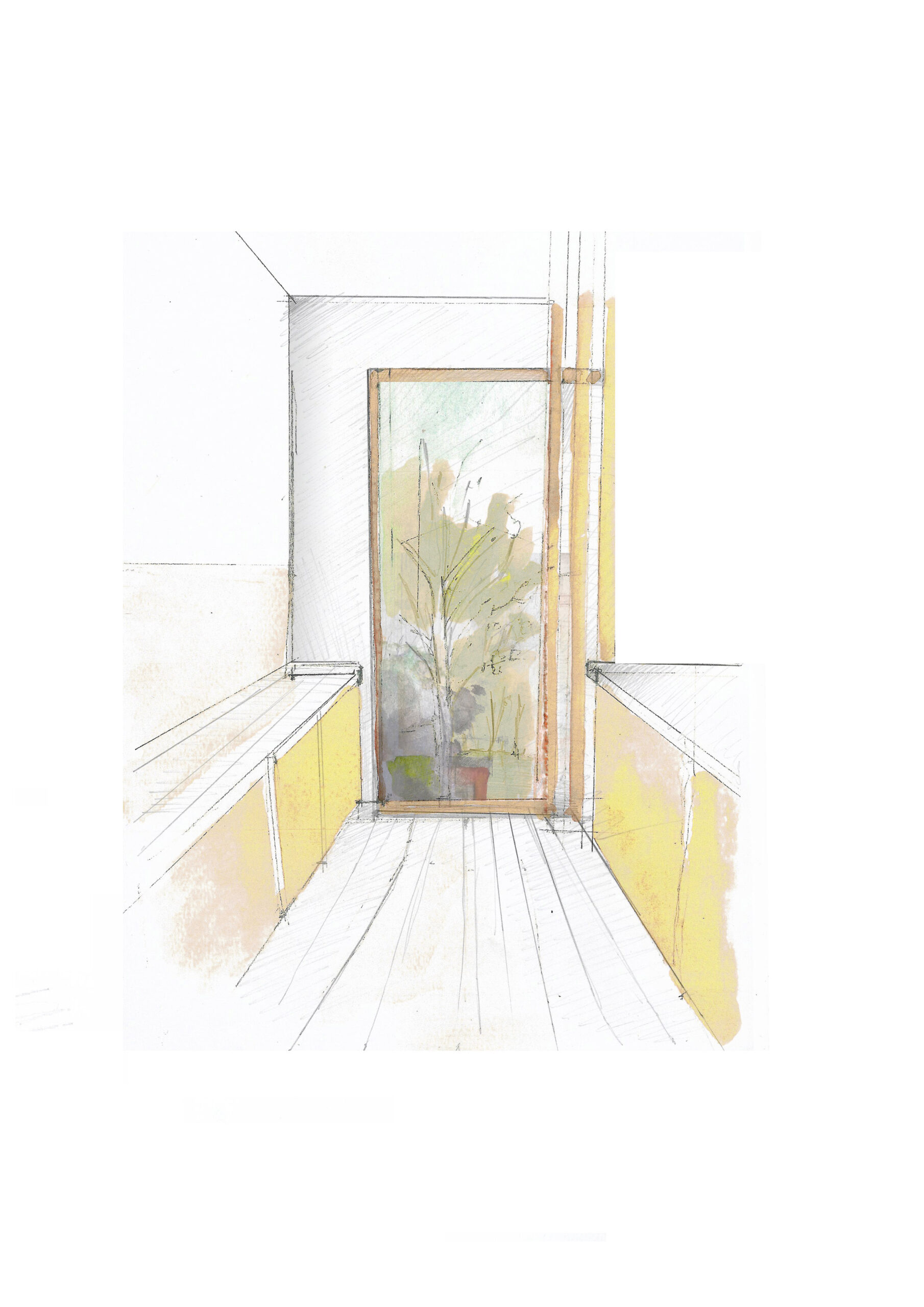
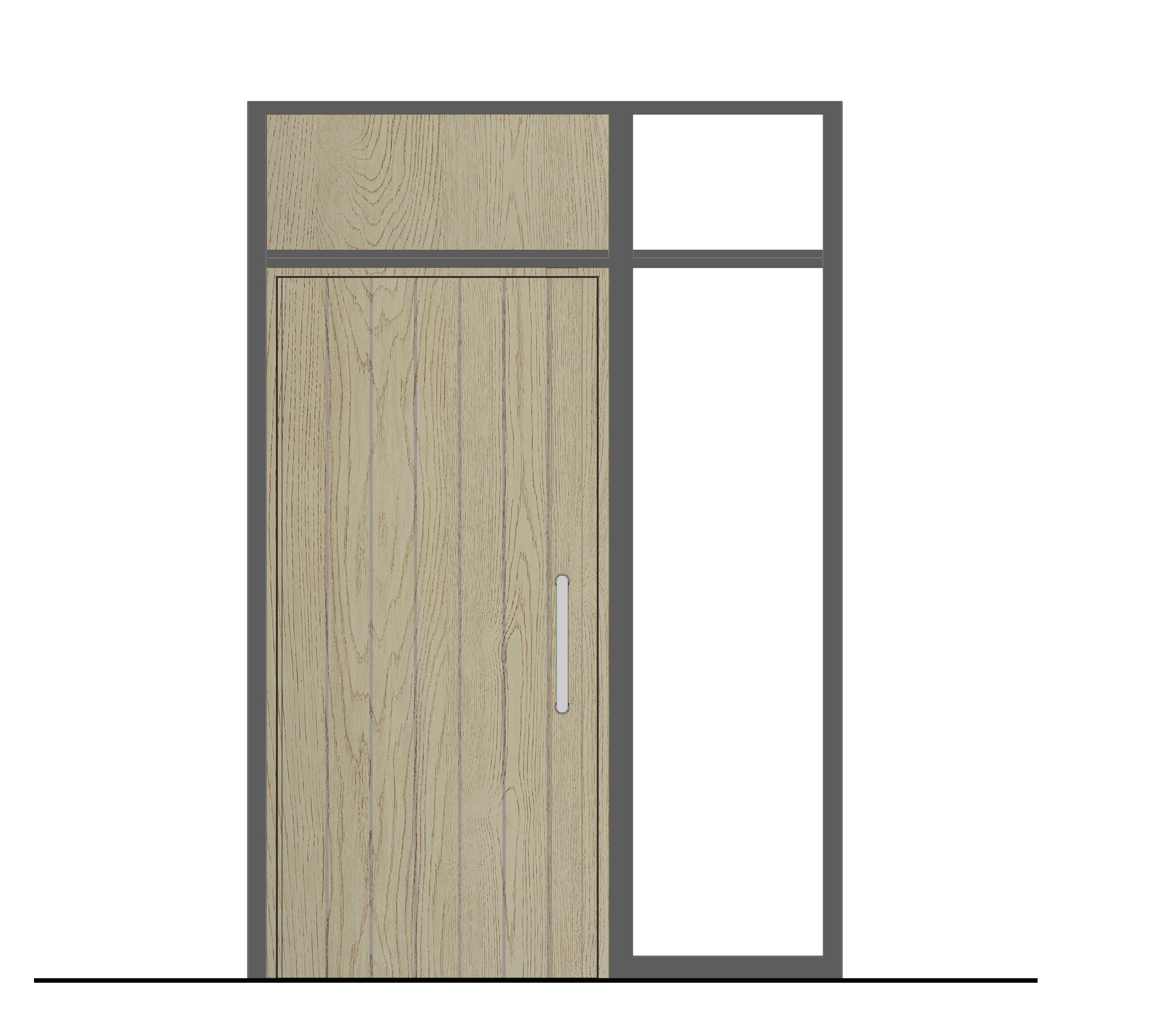
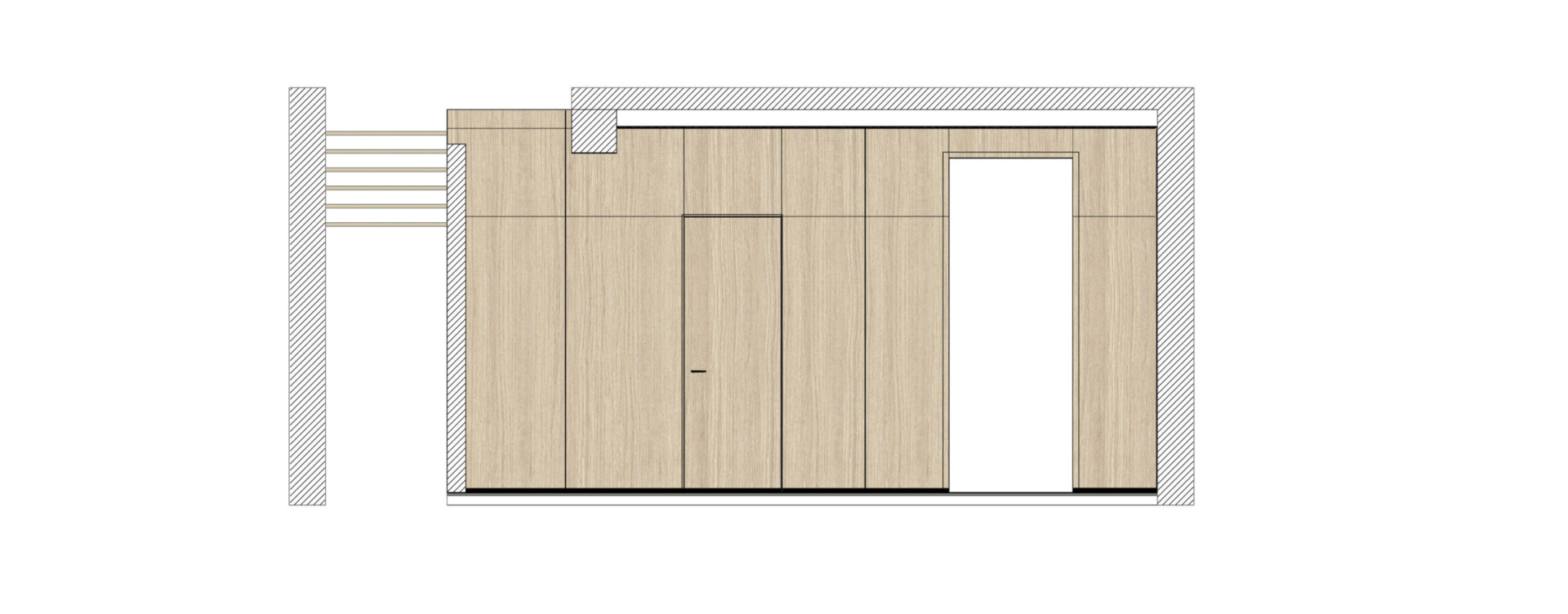
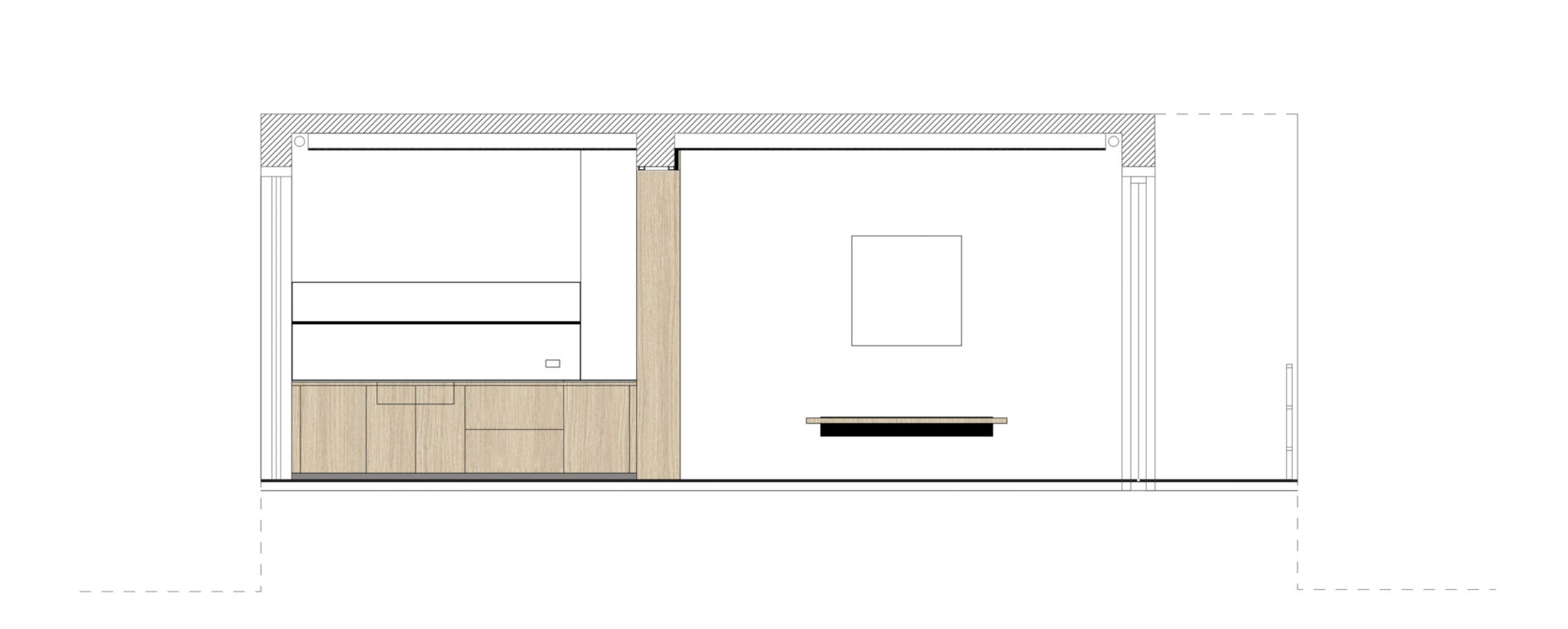
The materiality of The Habitus Project is deliberately restrained, relying on a narrow palette to foreground light, texture, and proportion. Smooth, mineral surfaces—rendered in a muted, almost chalk-like tone—give the volume a quiet, monolithic presence, one that shifts subtly with the changing light of the day. This continuity is countered by the warmth of timber within, where built-in elements and linear surfaces introduce a tactile intimacy to the interior. The dialogue between these two registers—cool, abstract exterior and warm, inhabitable interior—avoids contrast for its own sake, instead establishing a gradual transition from public to private, from object to atmosphere. In this way, material is not expressive in excess, but precise, calibrated, and deeply tied to the experience of dwelling.